Articles
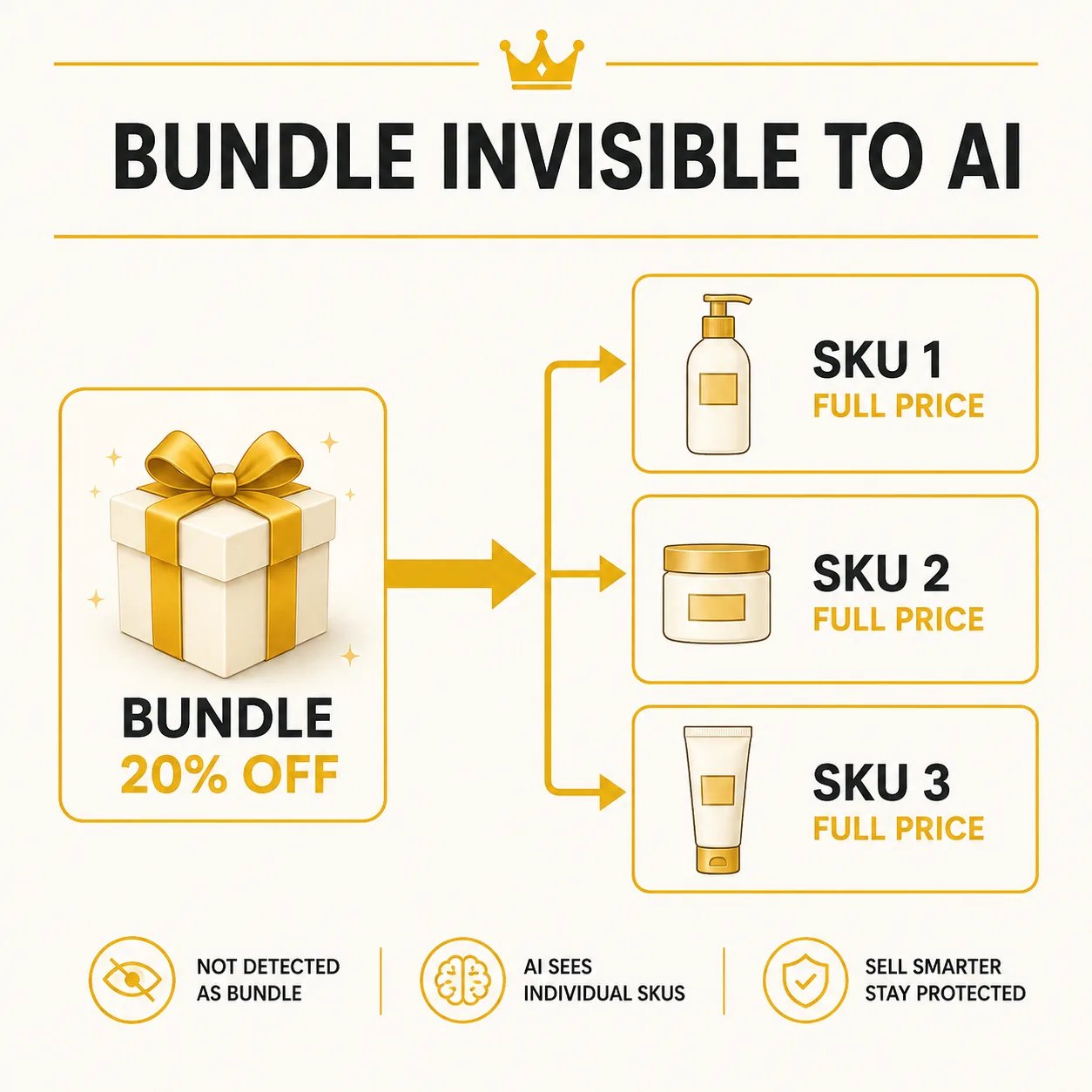
Why Do AI Shoppers Ignore Your Bundles and Quote Full Price?
AI shopping assistants ignore bundles and quote full price because the bundle discount never makes it into structured data. Shopify's schema marks each component SKU at its own full price, so the machine reads three items instead of one discounted offer. Here is what that blindness costs DTC brands.
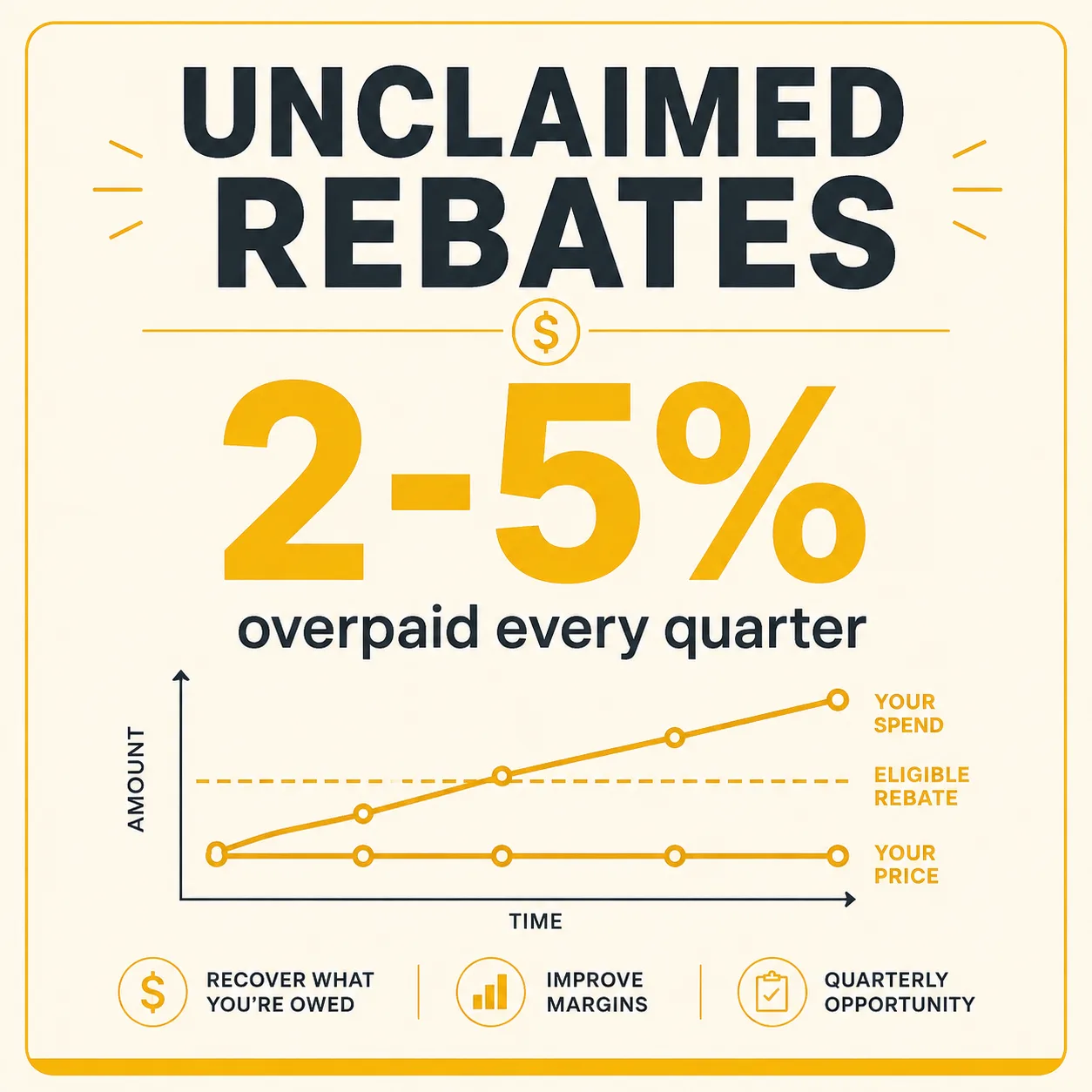
Why Do Distributors Leave Volume Rebates Unclaimed Every Quarter?
Distributors leave volume rebates unclaimed every quarter because the ERP records each purchase order as its own transaction and never tracks cumulative spend against the negotiated tier. A $15 million distributor with $8 million in contracted spend pays $160,000 to $400,000 a year above its own negotiated rates. Here is what cumulative spend-to-tier visibility recovers.
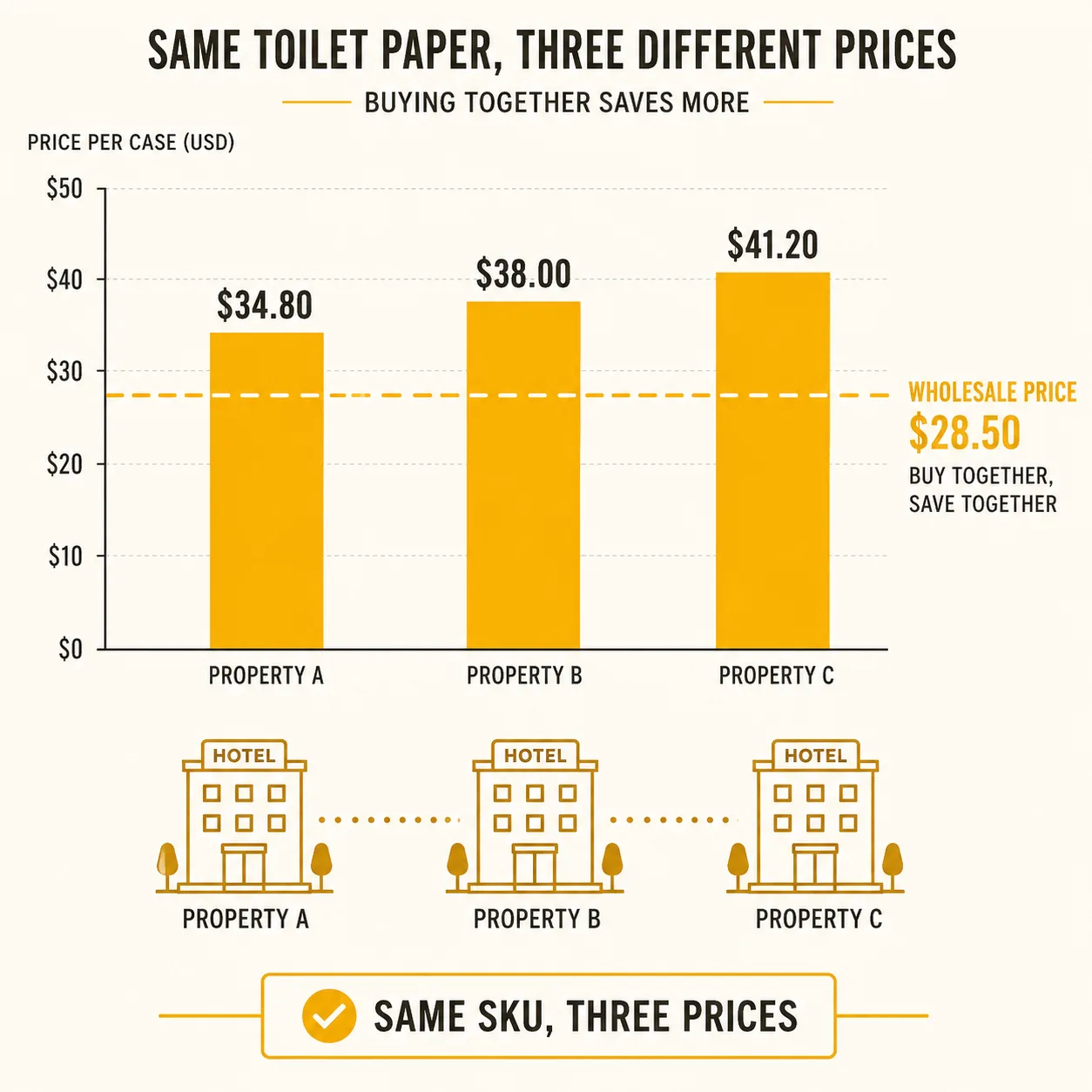
Why Do Hotel Groups Pay Retail Prices for Wholesale Volume?
Hotel groups pay retail prices for wholesale volume because every property buys alone and nothing connects the purchases. A 10-property group overpays $48K-$112K a year on recurring supplies while volume discounts never materialize. Here is what cross-property spend visibility recovers.

Why Can't AI Shopping Assistants See Your Free Shipping Offer?
AI shopping assistants cannot see free shipping offers because shipping details never make it into product structured data. Shopify's schema stops at price and availability, so free shipping and free returns stay invisible to AI-driven discovery. Here is what changes when shipping promises become machine-readable.
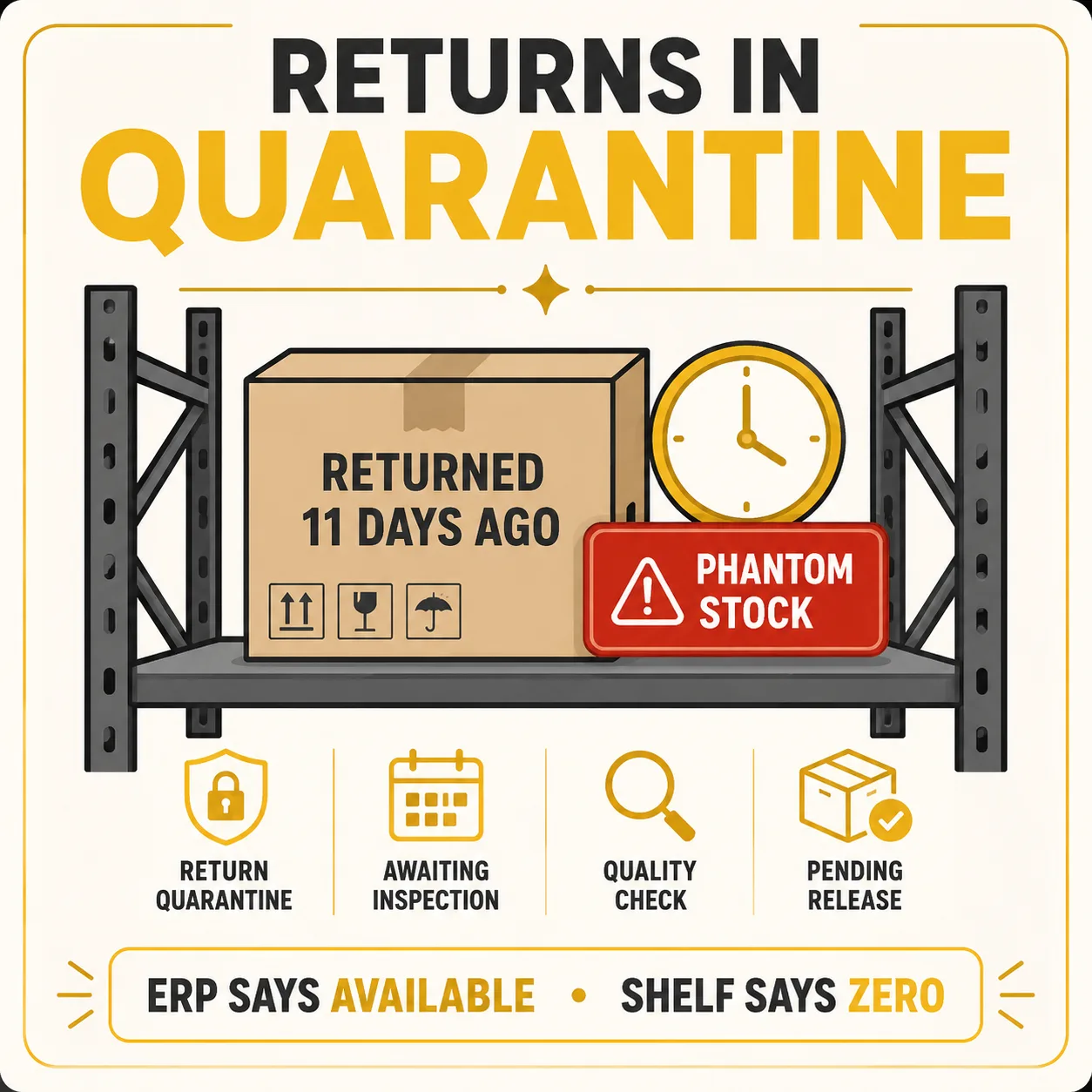
Why Do Returns Sit in Quarantine While Your ERP Buys Replacements?
Returns sit in quarantine while the ERP buys replacements because ERP returns modules mark the goods available the moment the credit memo posts, while physical inspection takes 3 to 14 days. Here is what that phantom availability costs mid-market medical distributors and how a returns-to-availability pipeline eliminates it.
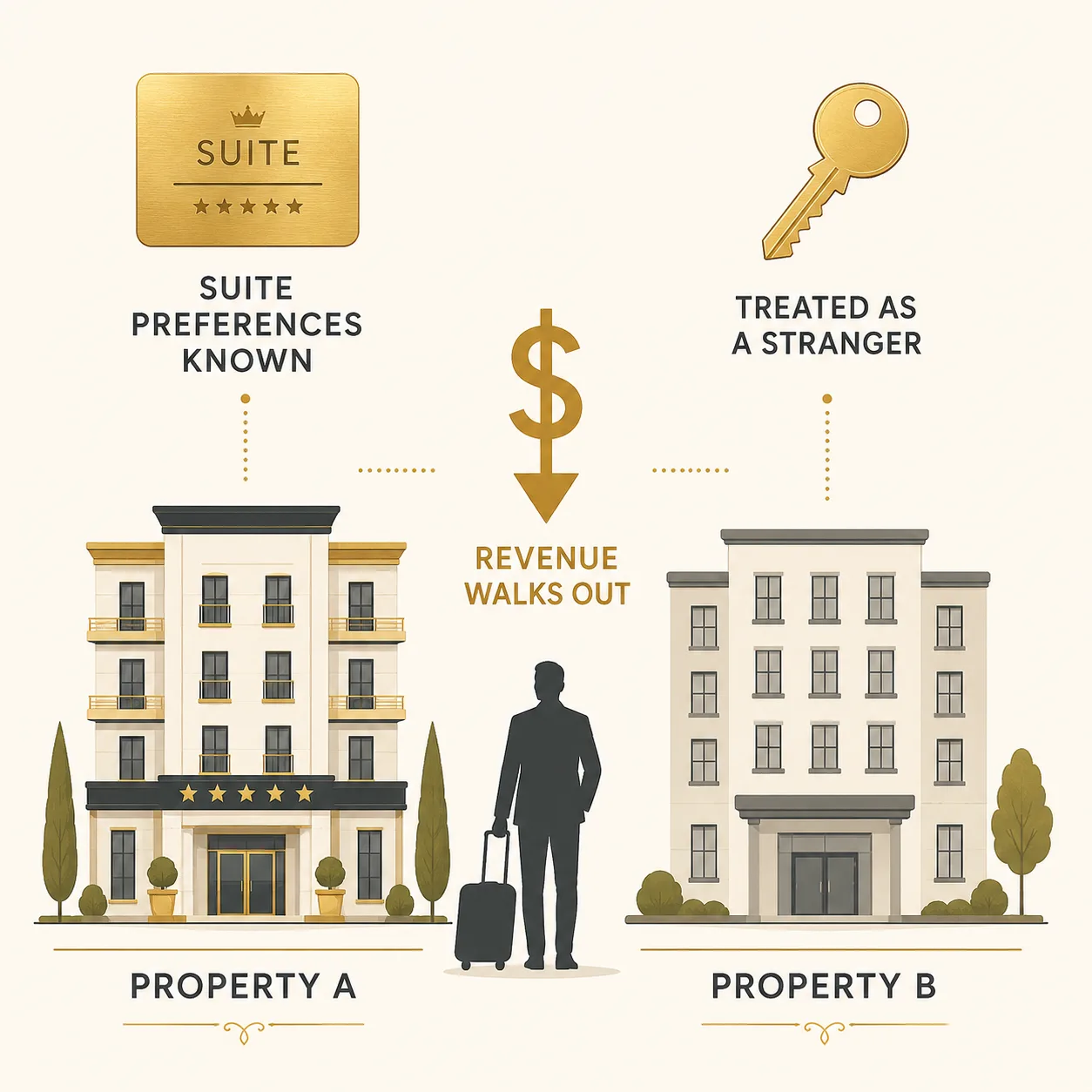
What Revenue Walks Out When Suite Guests Check Into Standard Rooms?
Revenue walks out when suite guests check into standard rooms because guest profiles stay locked inside each property's PMS and nothing connects them. Cross-property matching shows which high-spend guests check in as strangers at sister properties, and what that costs.
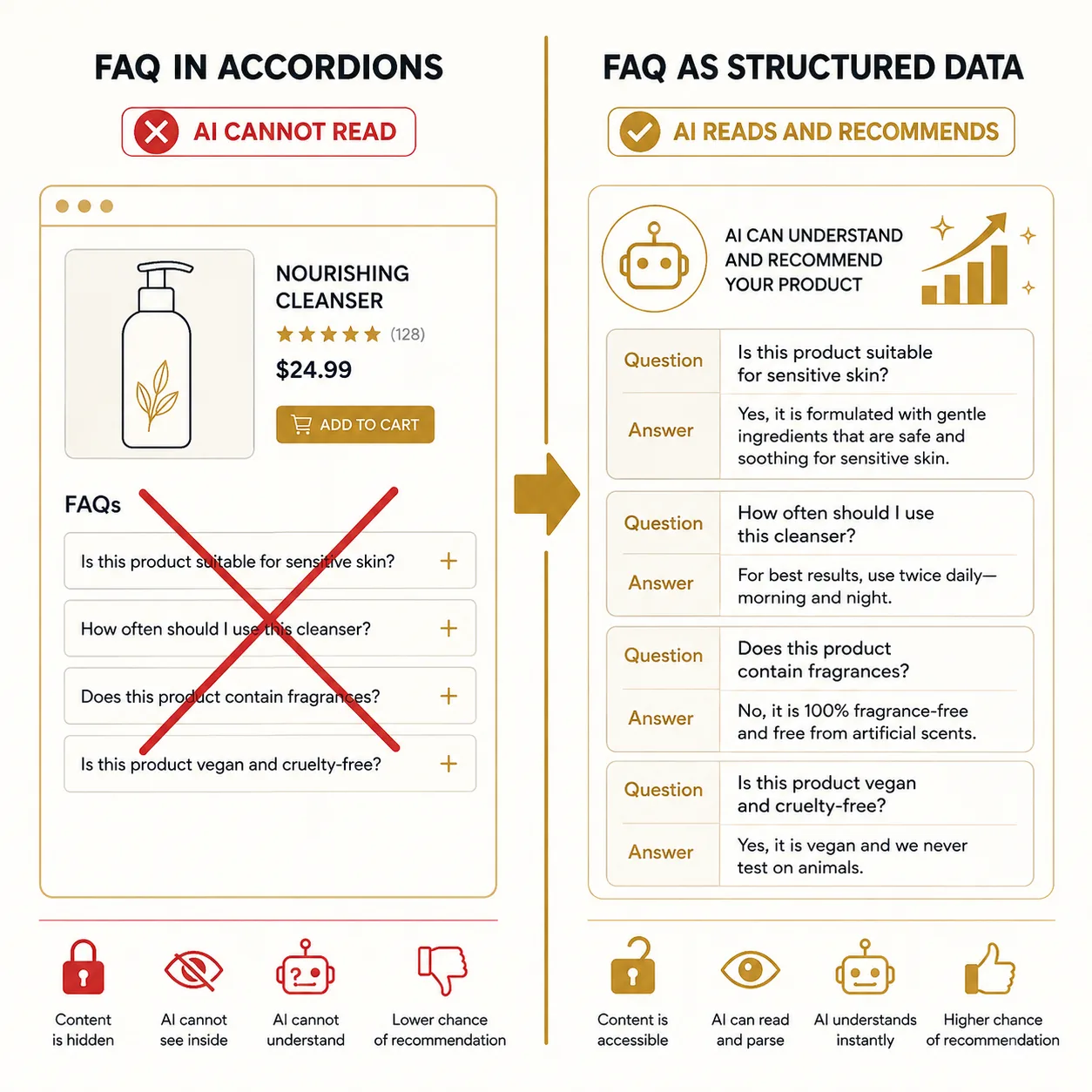
Why Do AI Shoppers Get Better Answers About Competitor Products?
AI shoppers get better answers about competitor products because competitor pages expose FAQ content as structured Question and Answer data, and most product pages do not. FAQ content locked in accordions is invisible to AI assistants; structured answers win the recommendation.
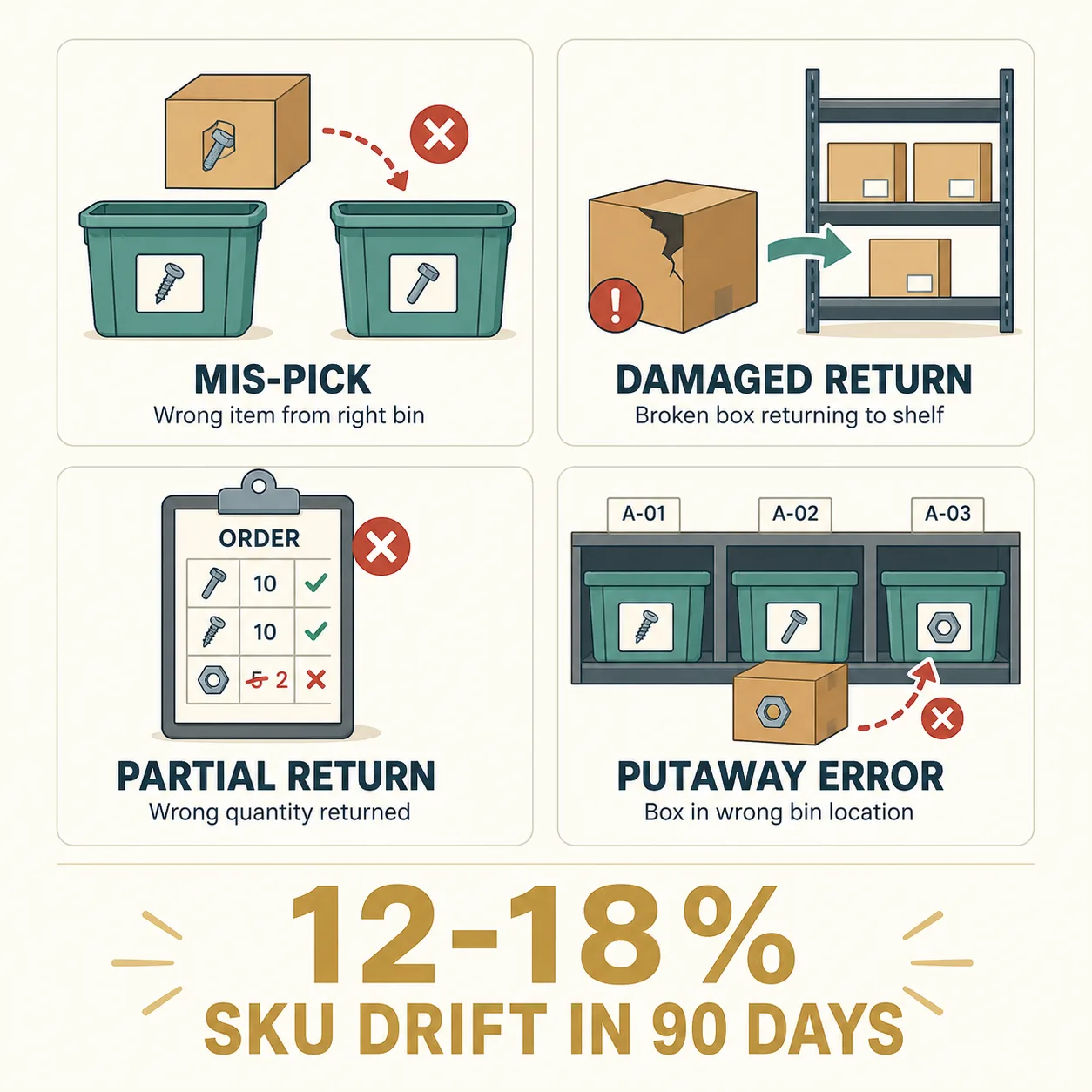
Why Your ERP Says 200 Units When the Shelf Has 160
The ERP says 200 and the shelf has 160 because ERP inventory modules record transactions, not physical reality. Mis-picks, damaged returns, and putaway errors compound until book stock drifts 12 to 18 percent within 90 days. Here is what that gap costs and how a lightweight reconciliation system catches it in 48 hours.
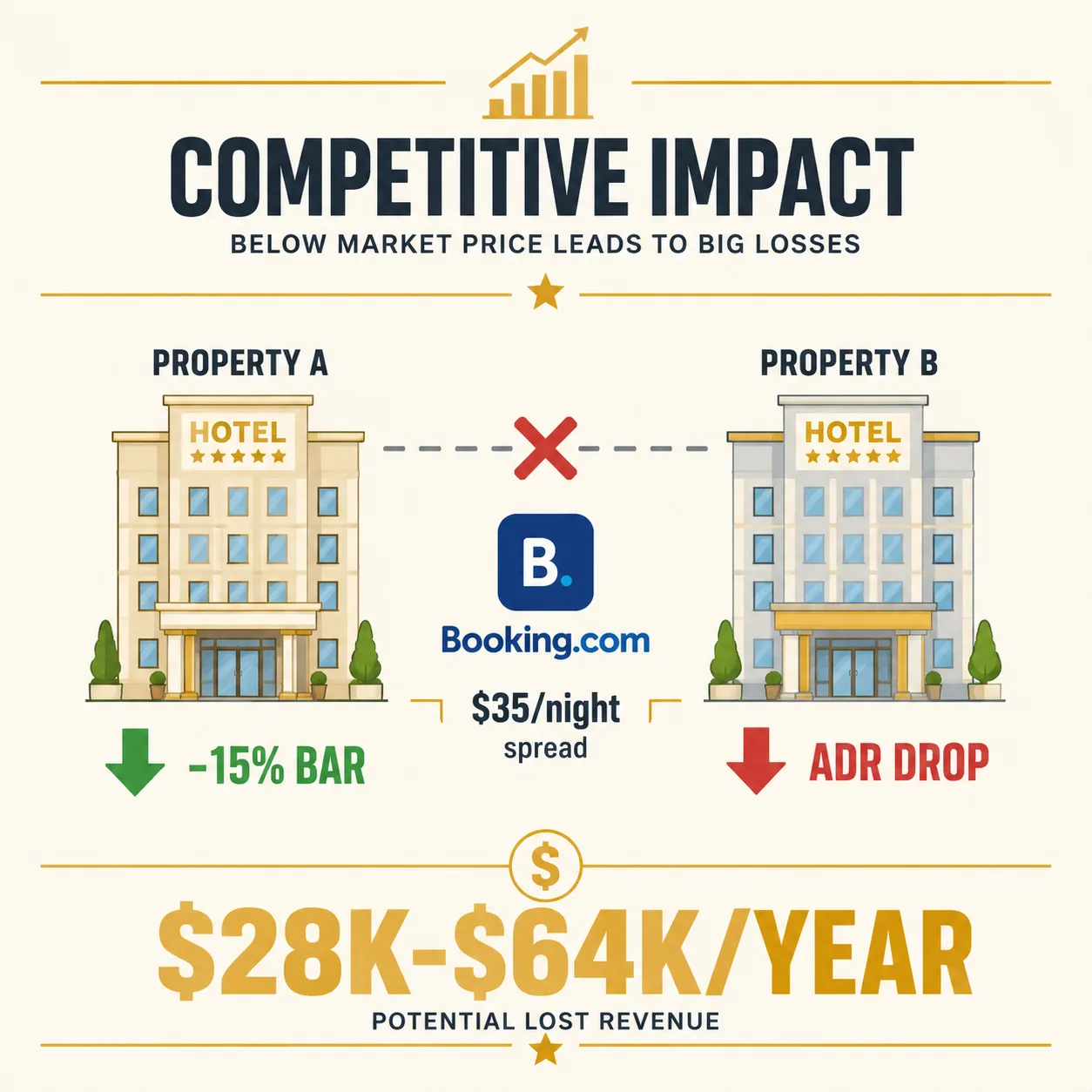
Why Does Rate Parity Fail Inside Your Own Hotel Group?
Rate parity fails inside a hotel group because the PMS distributes rates per property and never checks whether one property just undercut another. Property A drops, Property B holds, the OTA surfaces the cheaper listing, and the group eats the revenue loss. Here is what cross-property rate cannibalization costs each year.

What Do DTC Brands Lose When AI Shoppers Pick the Wrong Variant?
DTC brands lose the sale when AI shoppers pick the wrong variant because variant-level data is missing from the product page. The assistant found the product but not the wide boot. Here is what variant-level structured data changes for AI recommendations.
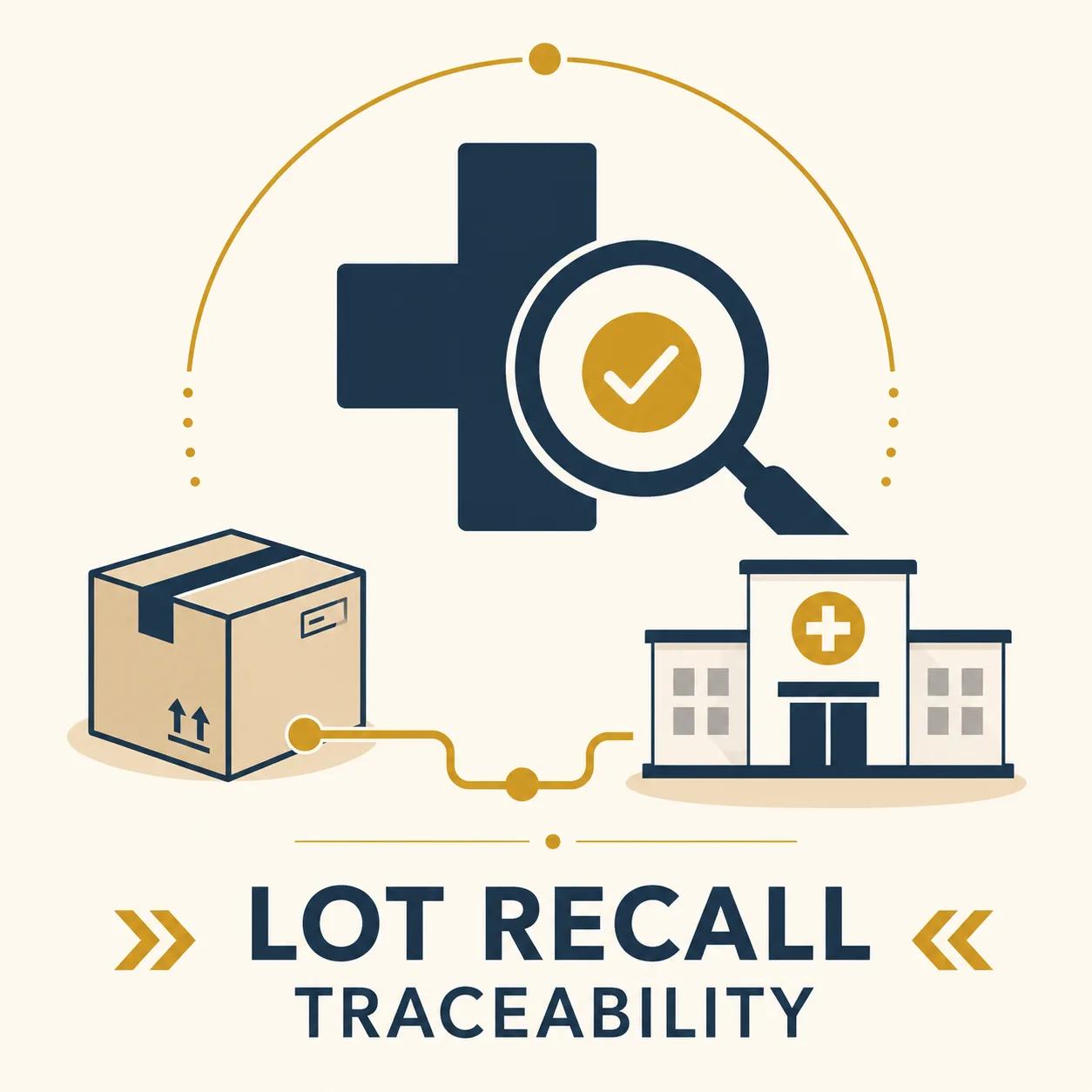
What Does a Single Lot Recall Actually Cost Medical Suppliers?
A single lot recall costs medical suppliers tens of thousands because the ERP knows the lot was received, not which orders pulled from it. FDA traceability demands answers within 10 working days, and mid-market distributors answer from paper pick tickets. Here is what lot-level traceability changes.
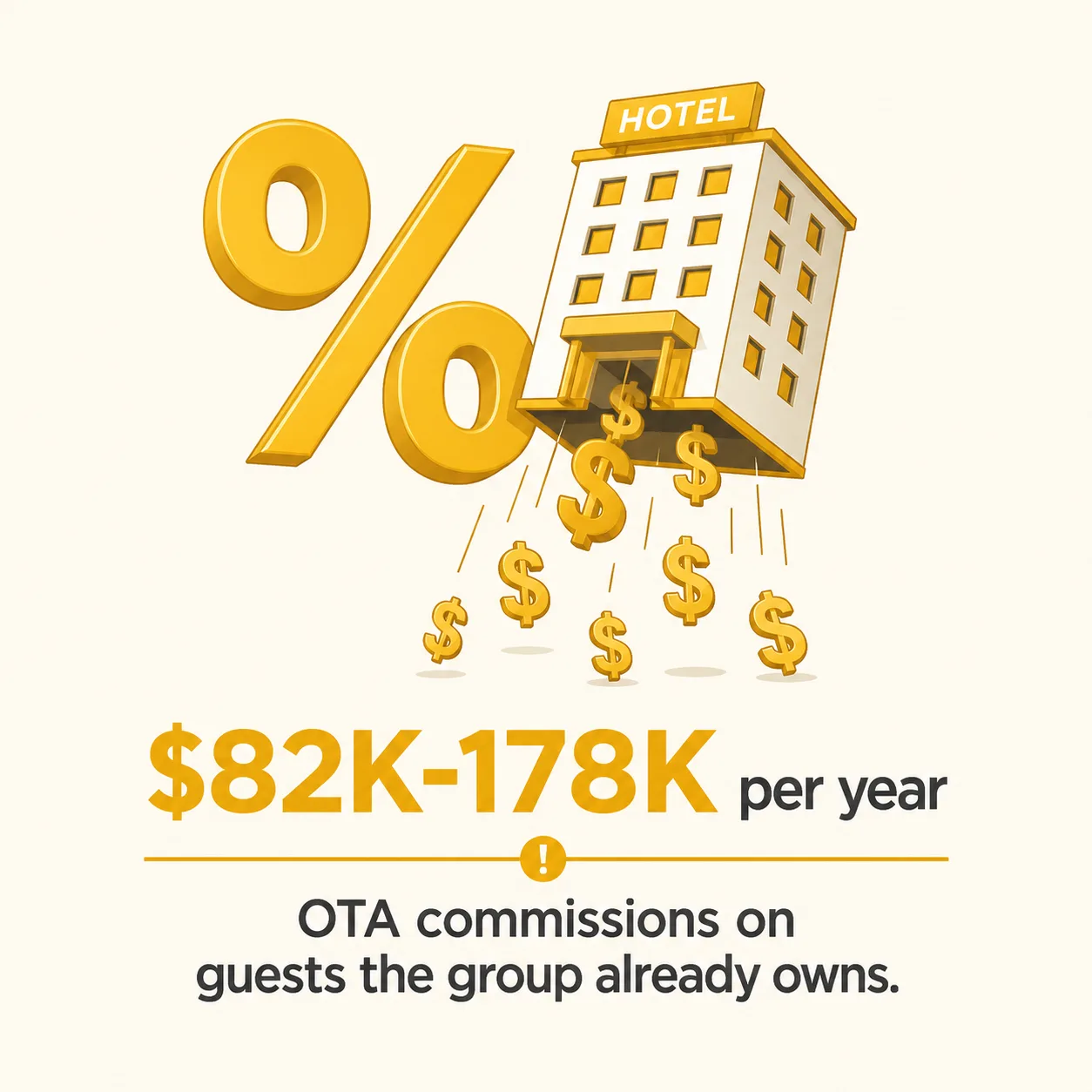
Why Do Hotel Groups Pay Commissions on Guests They Already Own?
Hotel groups pay OTA commissions on guests they already own because the PMS treats each property as a separate database and never connects the loyal guest to the sister property. One click on the OTA, one commission, zero recognition. Here is what cross-property guest recognition saves.

What Do DTC Brands Lose When AI Shoppers Can't See Their Sale Prices?
DTC brands lose AI-assisted shoppers whenever a sale runs without structured price data. Humans see the strikethrough; the machines see full price and route to competitors. Here is what priceSpecification markup changes for flash sales and promotions.
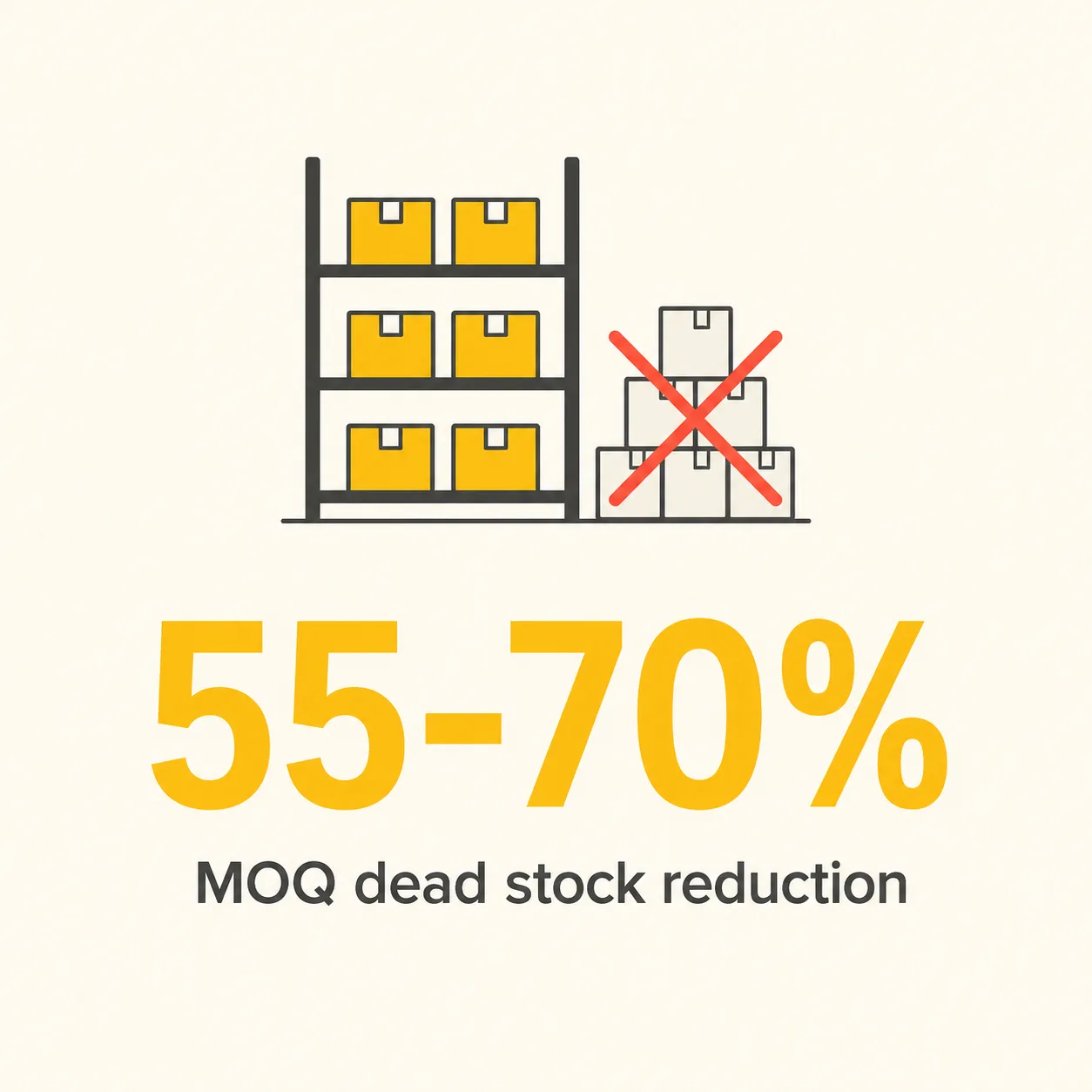
What Happens When MOQs Force 6 Months of Stock You Move in 2?
Minimum order quantities override actual demand, so every padded purchase ships 30 to 40 percent of its units straight to dead stock. ERPs enforce MOQs one SKU at a time with no cross-order consolidation. Here is what that padding costs mid-market distributors in dead stock, buyer time, and trapped working capital, and how cross-SKU grouping changes the math.
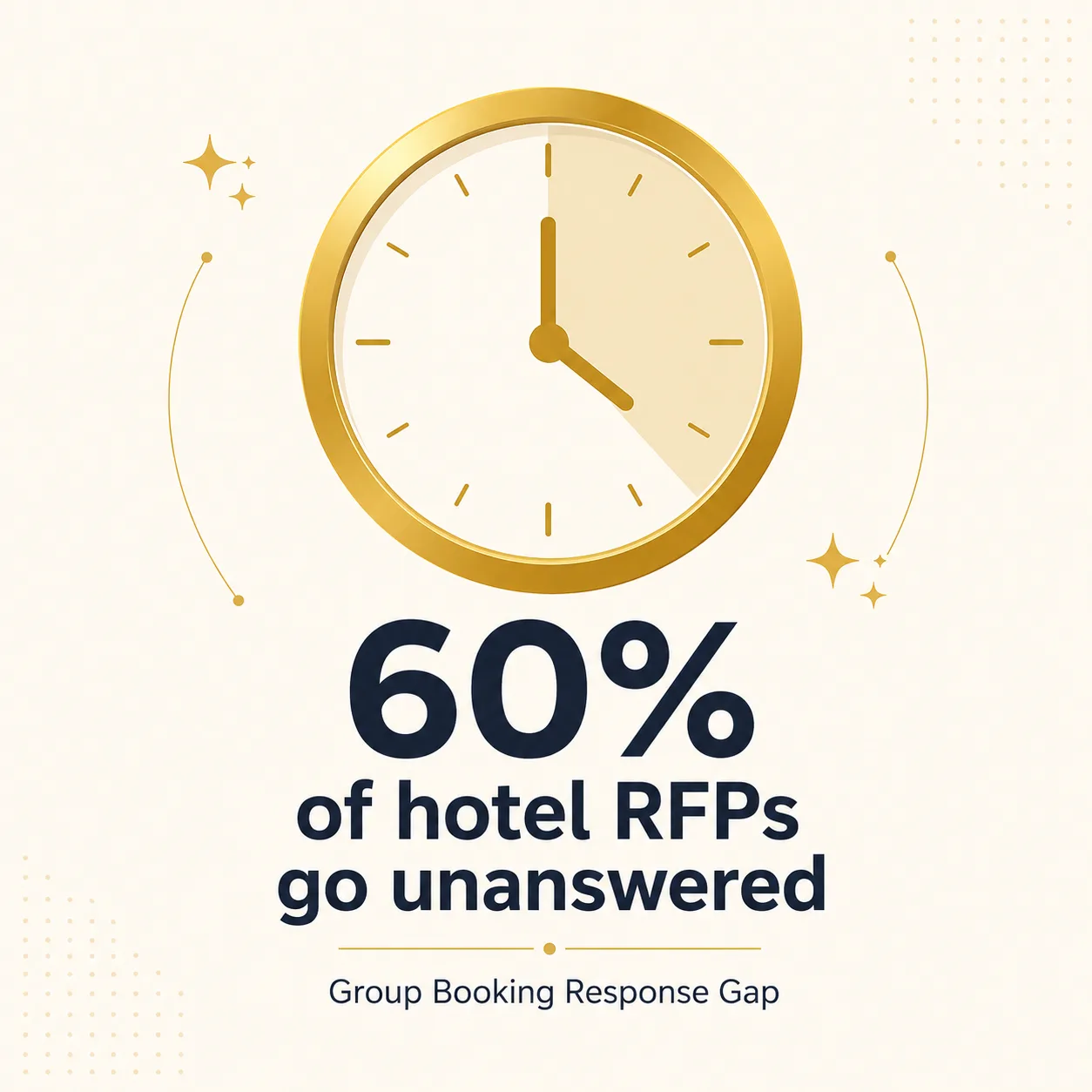
Why Do Hotel Groups Lose Group Bookings Before They Can Quote?
Hotel groups lose group bookings before they can quote because the PMS is structurally per property and nobody holds a portfolio-level room inventory view. The RFP goes out, the responses trickle in over 36 hours, and the booking goes to whoever answered first. Here is what cross-property availability changes for group sales.
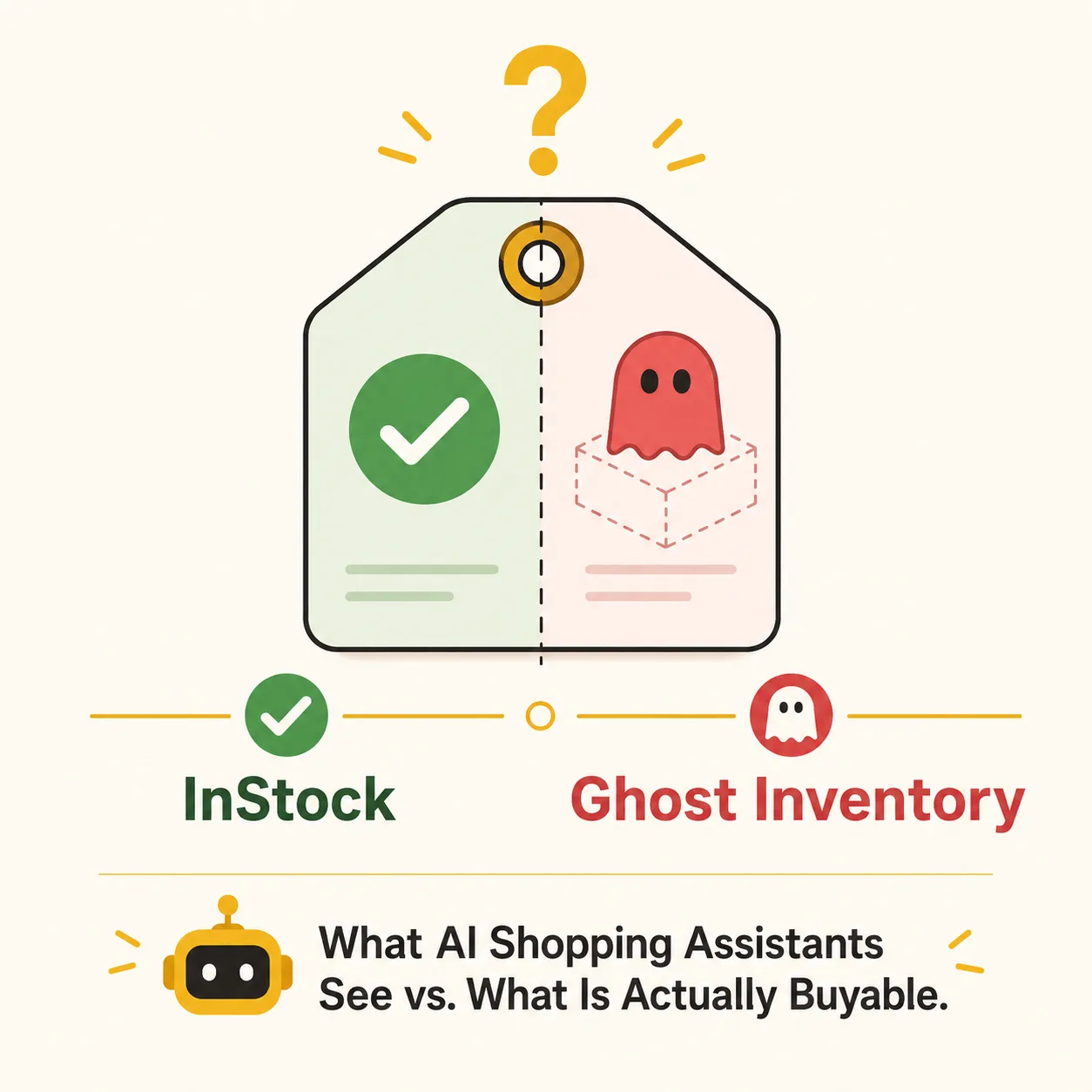
Why Do AI Shopping Assistants Recommend Ghost Inventory?
AI shopping assistants recommend ghost inventory because availability syncs on a batch schedule and freezes between the sale and the crawl. The schema says InStock, the warehouse says empty, and the customer hits a dead page. Here is what real-time availability data changes.

ERPs Assume Suppliers Deliver on Time. They Don't.
ERPs assume suppliers deliver on time because the lead time field is entered once at setup and never updated. The system plans around a single number while real deliveries run 22 days against 7 in the system. Here is what supplier performance data changes for inventory planning.
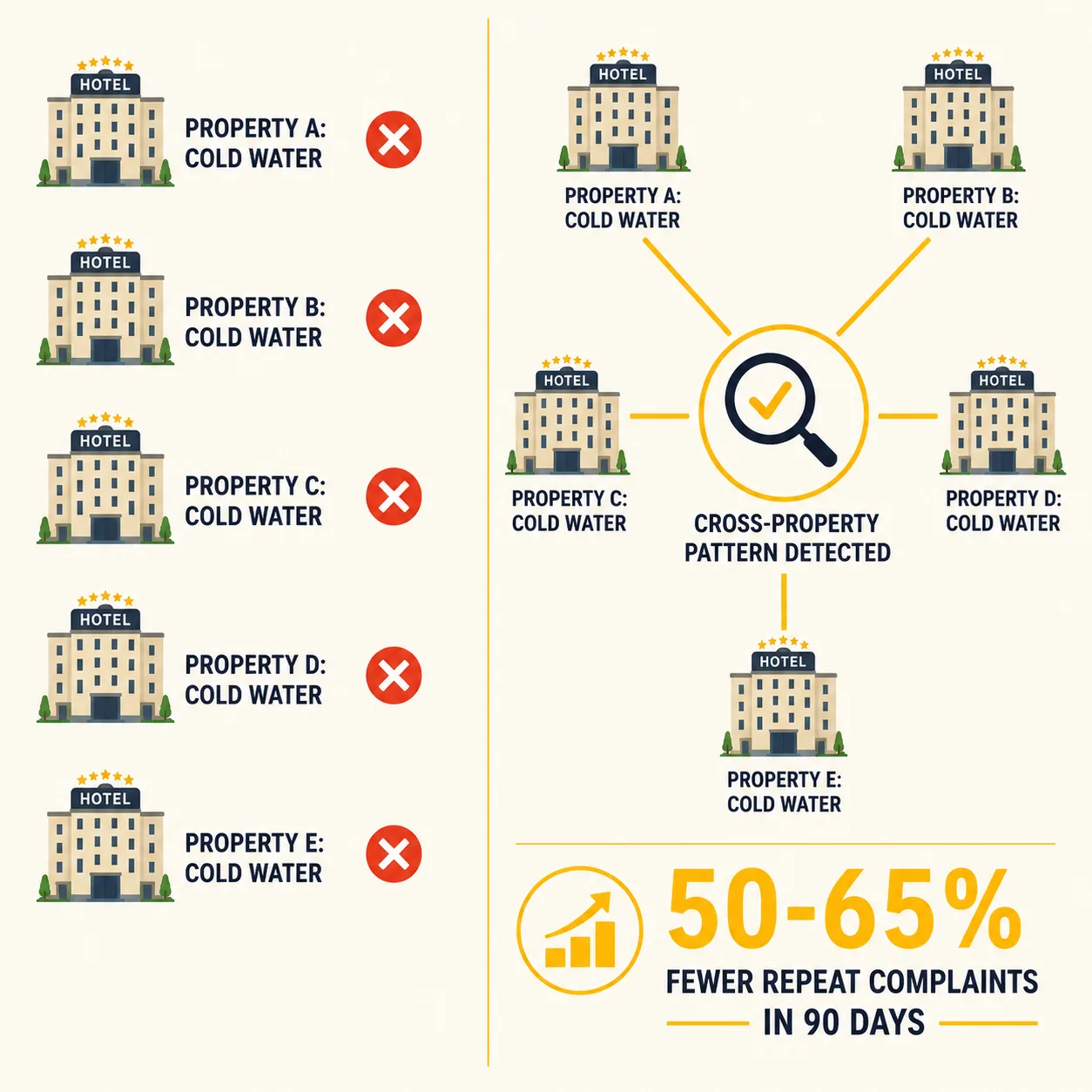
Why Does the Same Guest Complaint Keep Happening at Every Property?
The same guest complaint repeats at every property because each property runs its own complaint log, and resolved means closed, never prevented. The pattern is invisible until guests start booking the competing chain. Here is what cross-property complaint tagging reveals.
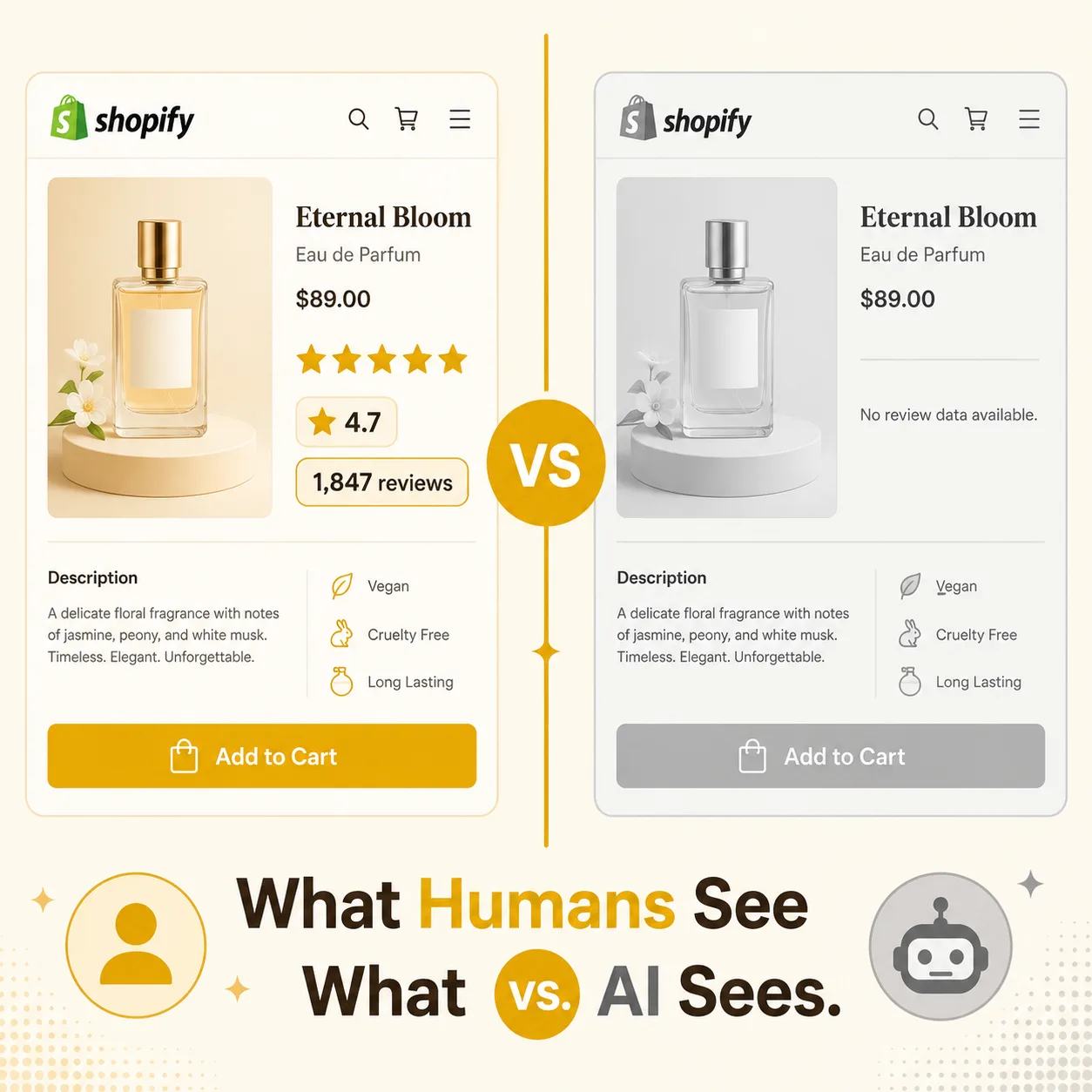
Why Do AI Shopping Assistants Ignore Your Best-Reviewed Products?
AI shopping assistants ignore the best-reviewed products when review data is not structured for machine consumption. 1,847 verified reviews mean nothing if the assistant cannot read them. Here is how review schema decides which brands appear in AI recommendations.
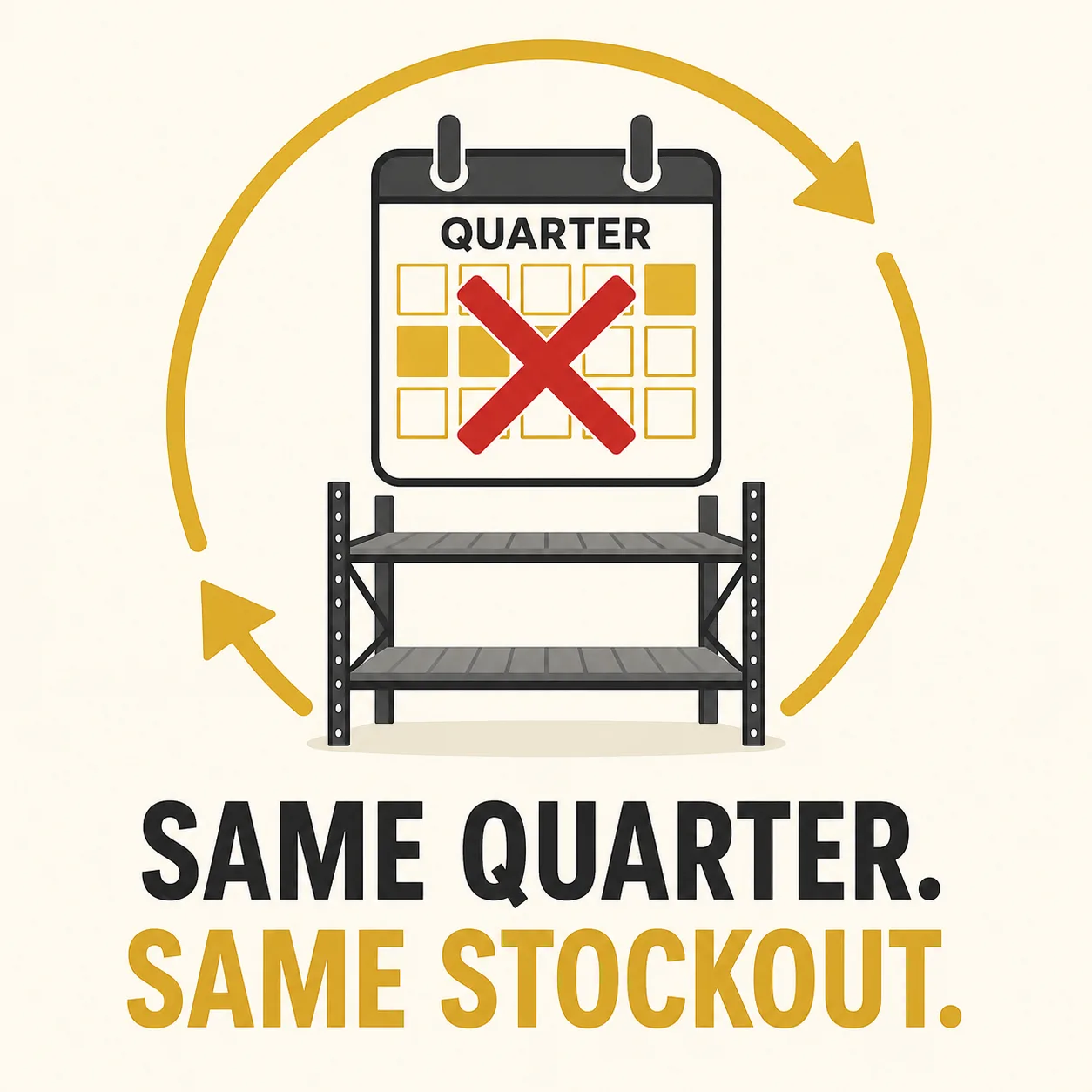
Why Do Medical Suppliers Stock Out of the Same SKUs Every Quarter?
Medical suppliers stock out of the same SKUs every quarter because the ERP plans around a moving average that flattens the seasonal spike. The hospital order arrives like clockwork, the forecast misses it, and the backorder repeats. Here is what demand-shape planning changes for procurement teams.
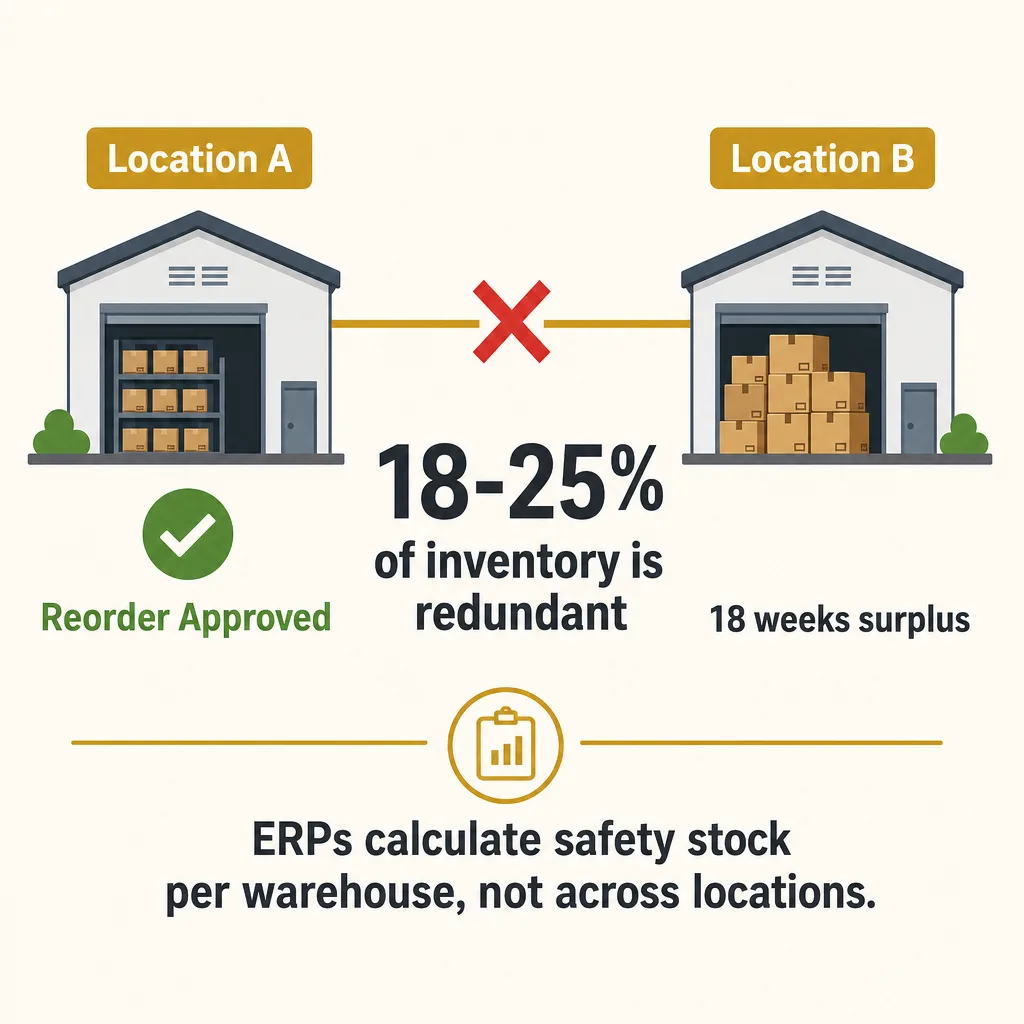
Why Do Multi-Location Suppliers Buy Inventory They Already Own?
Multi-location suppliers buy inventory they already own because the ERP runs reorder logic per warehouse and never checks whether another location holds the same SKU. The multi-warehouse feature is a reporting view, not a coordination tool. Here is what pooled visibility actually saves.
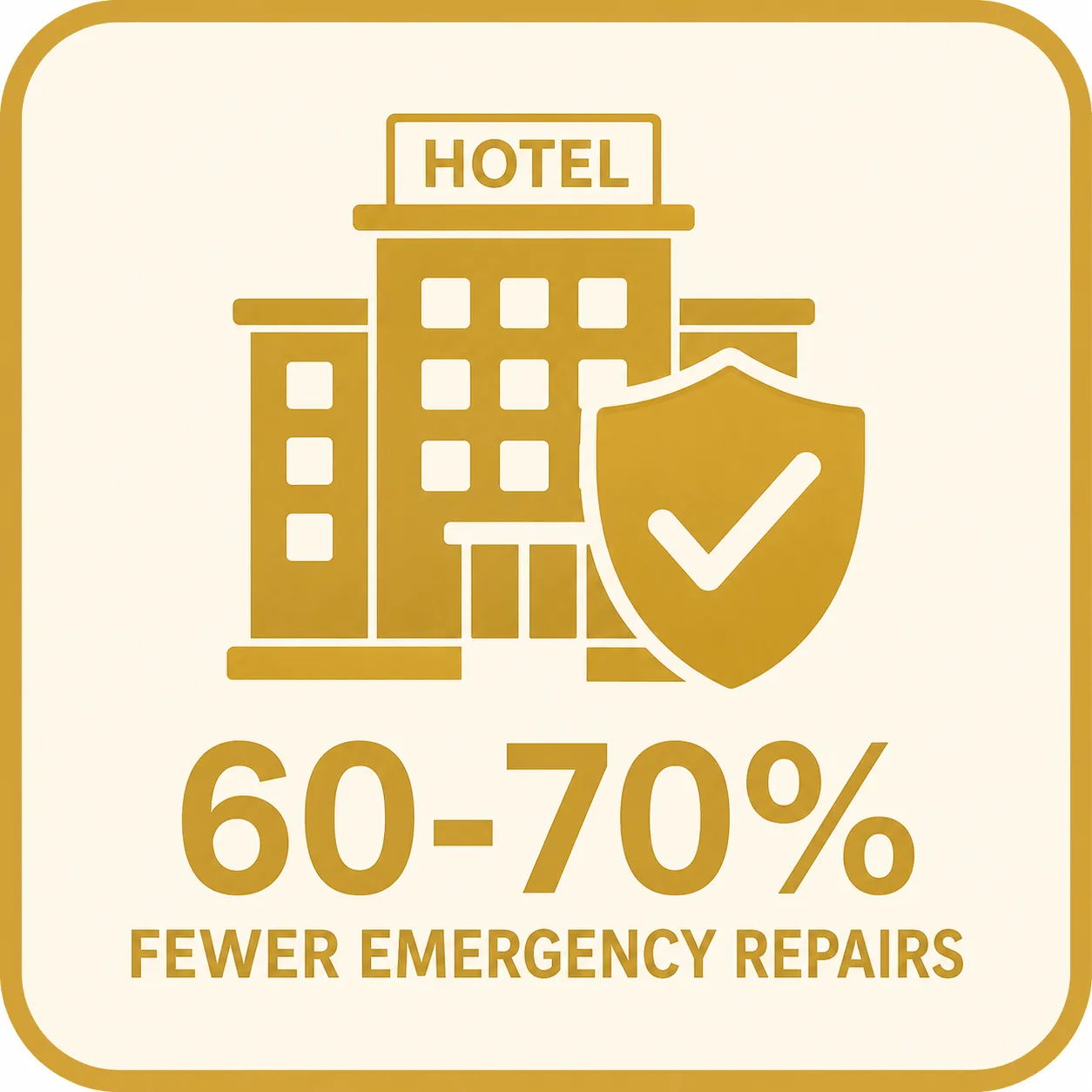
Why Does the Same Pipe Burst at Every Property Before Anyone Notices?
Repeat maintenance failures strike every property because maintenance records live per property. Property 2 compressor failure sits in Property 2 system, Property 4 in Property 4, and no view connects them. Here is what that blind spot costs and what changes when maintenance becomes cross-property intelligence.
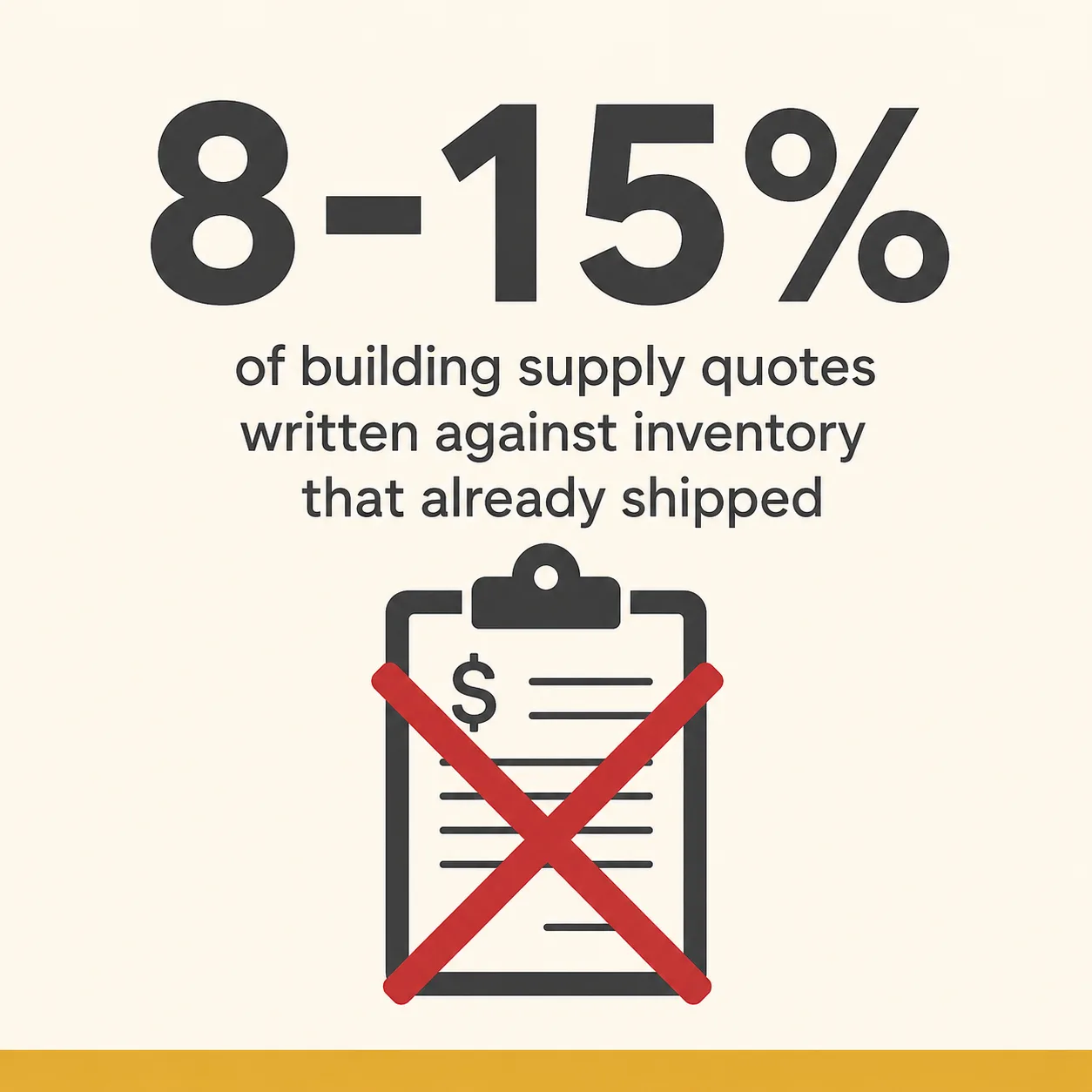
Why Do Building Suppliers Quote Inventory They No Longer Have?
Building suppliers quote inventory they no longer have because quotes run on batch-cycle data that is hours stale. The report was accurate at 2 AM; the racks moved by 6. Here is what it costs and what changes when the sales desk quotes from live data.
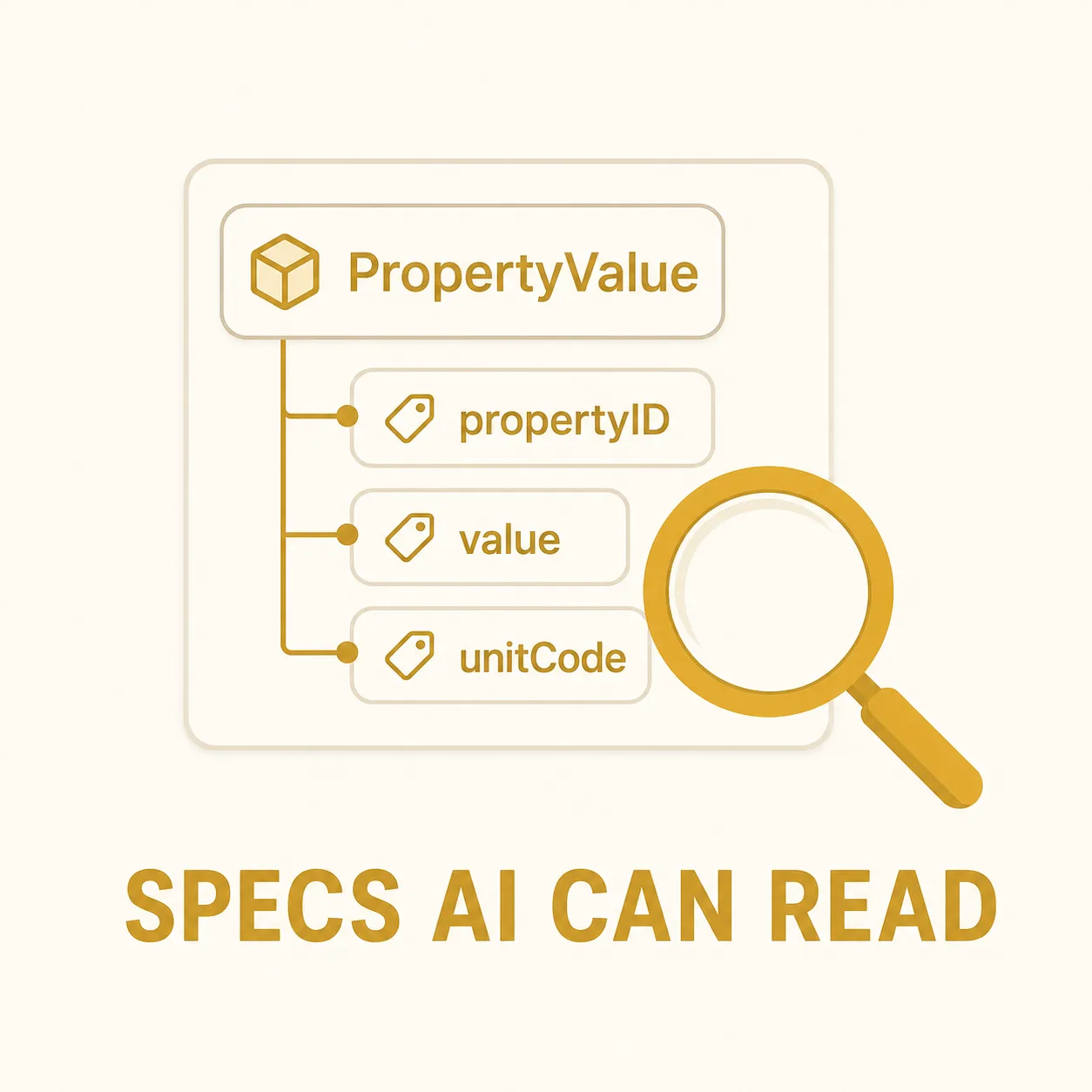
How Do AI Shoppers Compare Products They Can't Actually Read?
AI shopping assistants cannot compare specifications they cannot read as data. Battery life in a hero paragraph or spec table is invisible to the assistant, so the better product loses to the worse one. Here is how product pages become machine-readable and why it decides which brand wins the comparison.
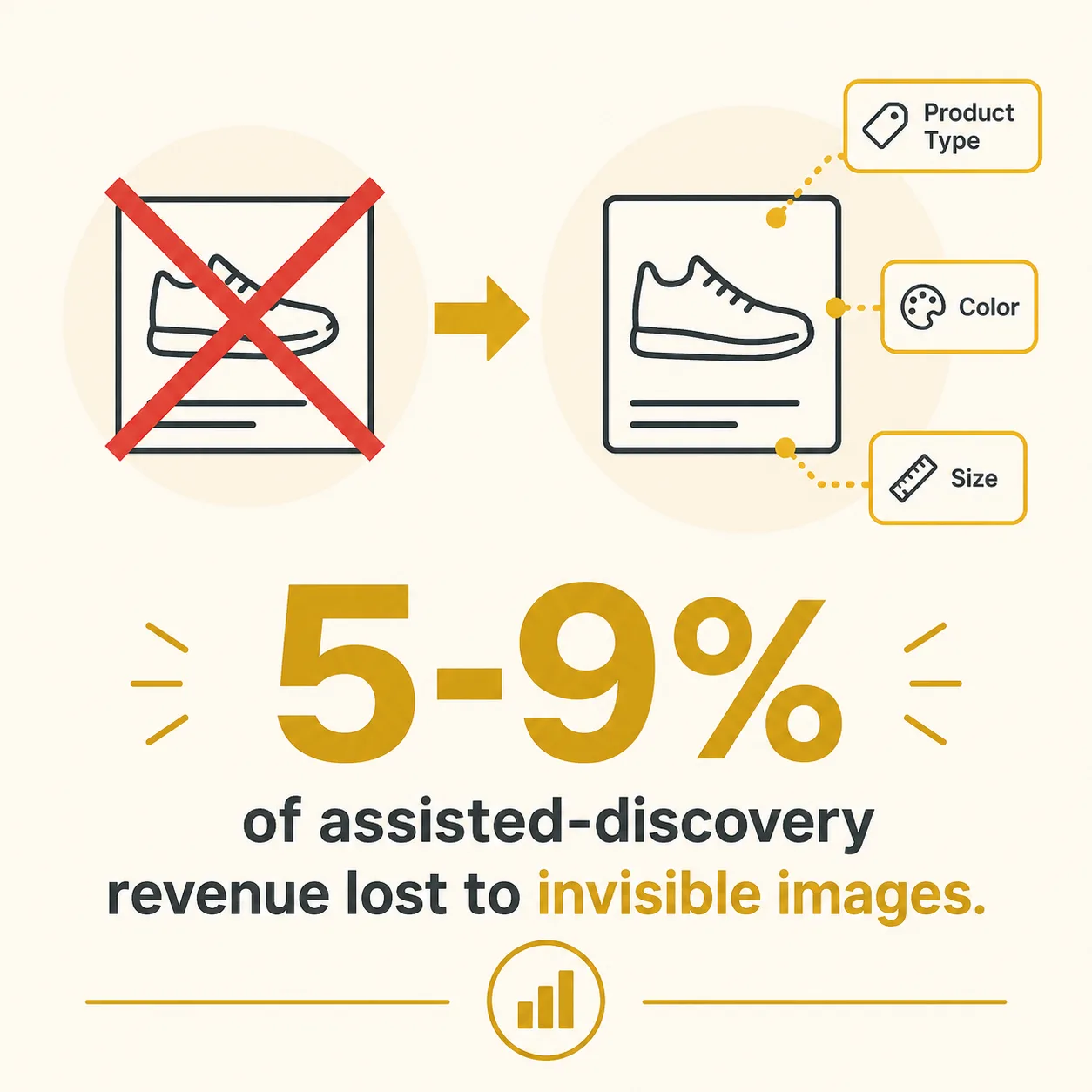
Why Do AI Shopping Results Ignore Your Best Product Photography?
AI shopping results ignore product photography because AI assistants consume text, and images are blank space unless described. A catalog that converts humans is invisible to the tool deciding which products shoppers see first. Here is what makes product imagery readable to AI and what it costs to stay invisible.
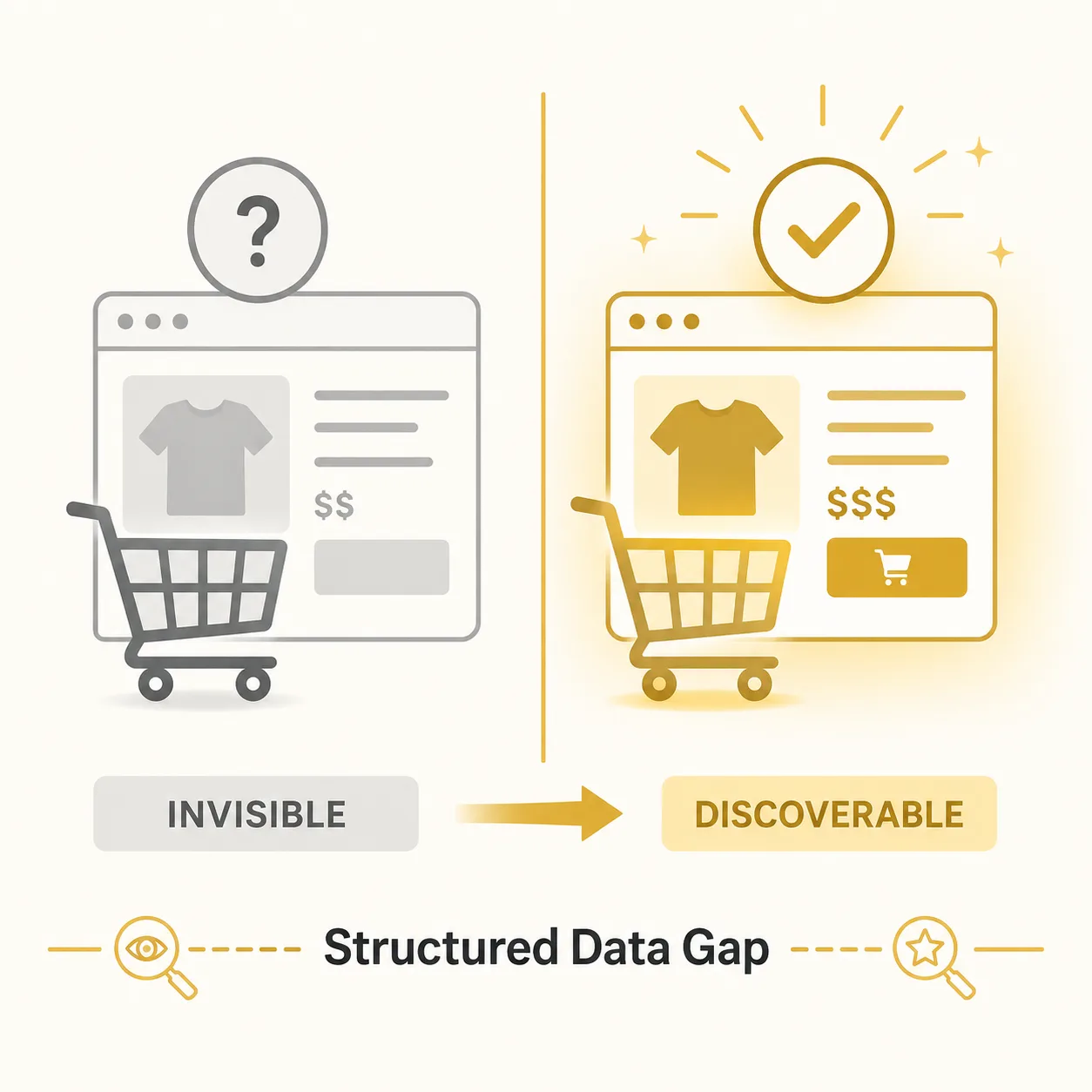
Why Do Shopping Assistants Skip Your Store Every Time?
Shopping assistants skip a store when its product pages do not speak the structured language AI tools read. Great photography, tight copy, and solid reviews do not matter if the data is invisible to the assistant. Here is why every metric can look healthy while growth has stopped.
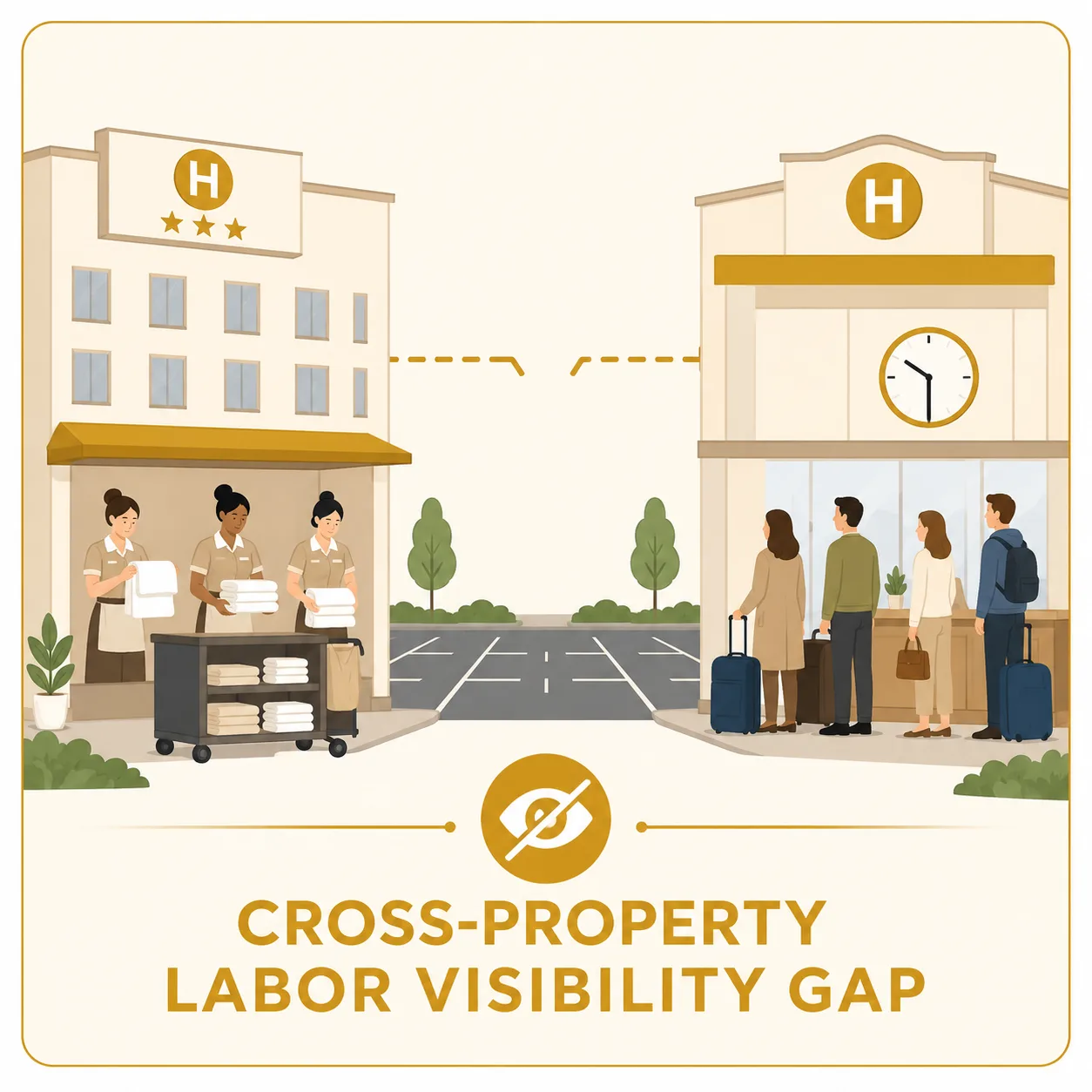
Why Does One Hotel Scramble While Another Has Idle Staff?
One hotel scrambles while another has idle staff because labor planning runs per property and no tool shows the picture across properties. The supervisor can see the other building from the lobby, but not the staffing data. Here is what cross-property labor visibility changes for mid-market groups.
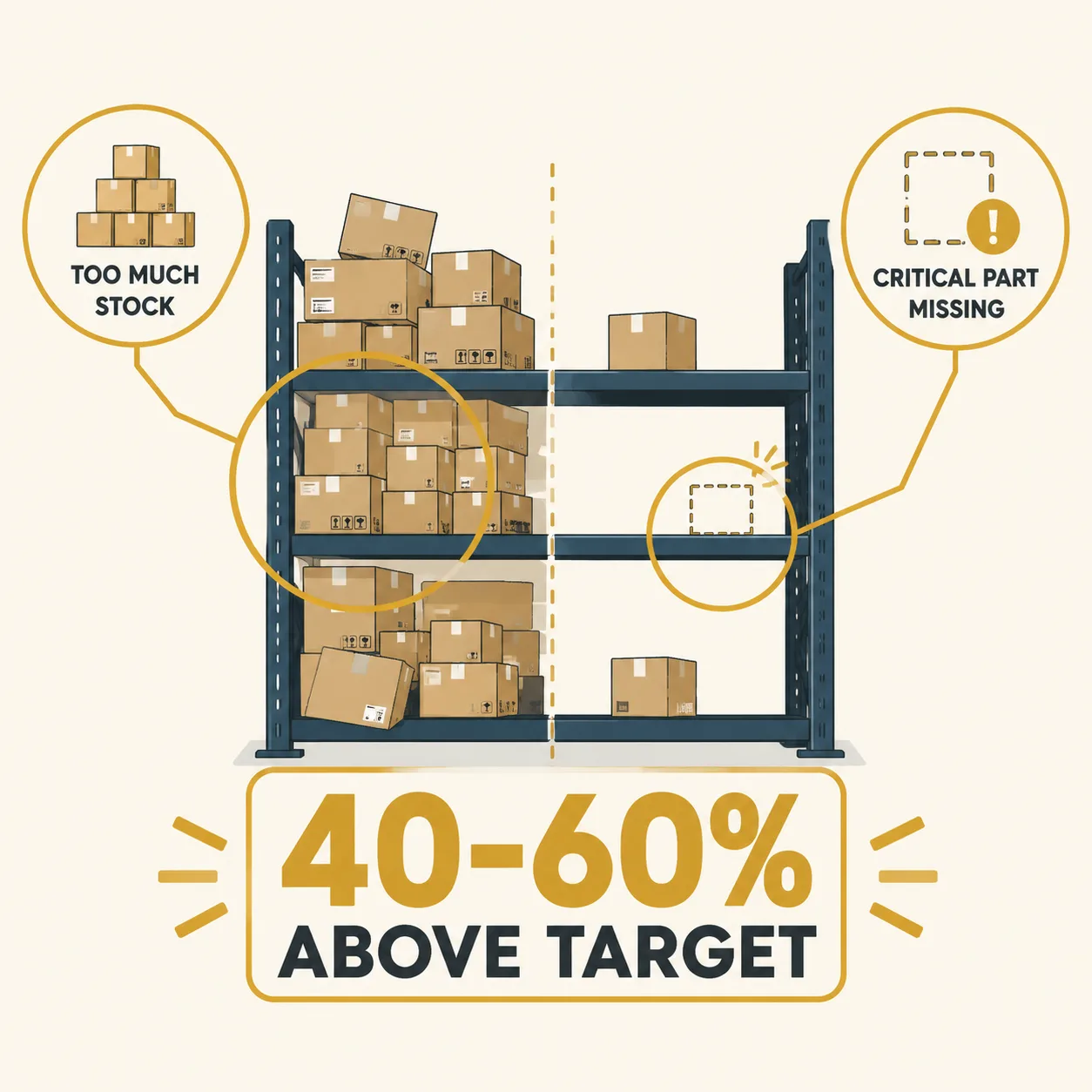
Why Does MRO Inventory Stay 40% Above Target When ERP Says Lean?
MRO inventory stays above target while the ERP says lean because the system counts units, not consequences. Full shelves and a green dashboard do not mean the plant can keep running. Here is what criticality-based planning changes for maintenance managers holding 500 to 3,000 spare parts.
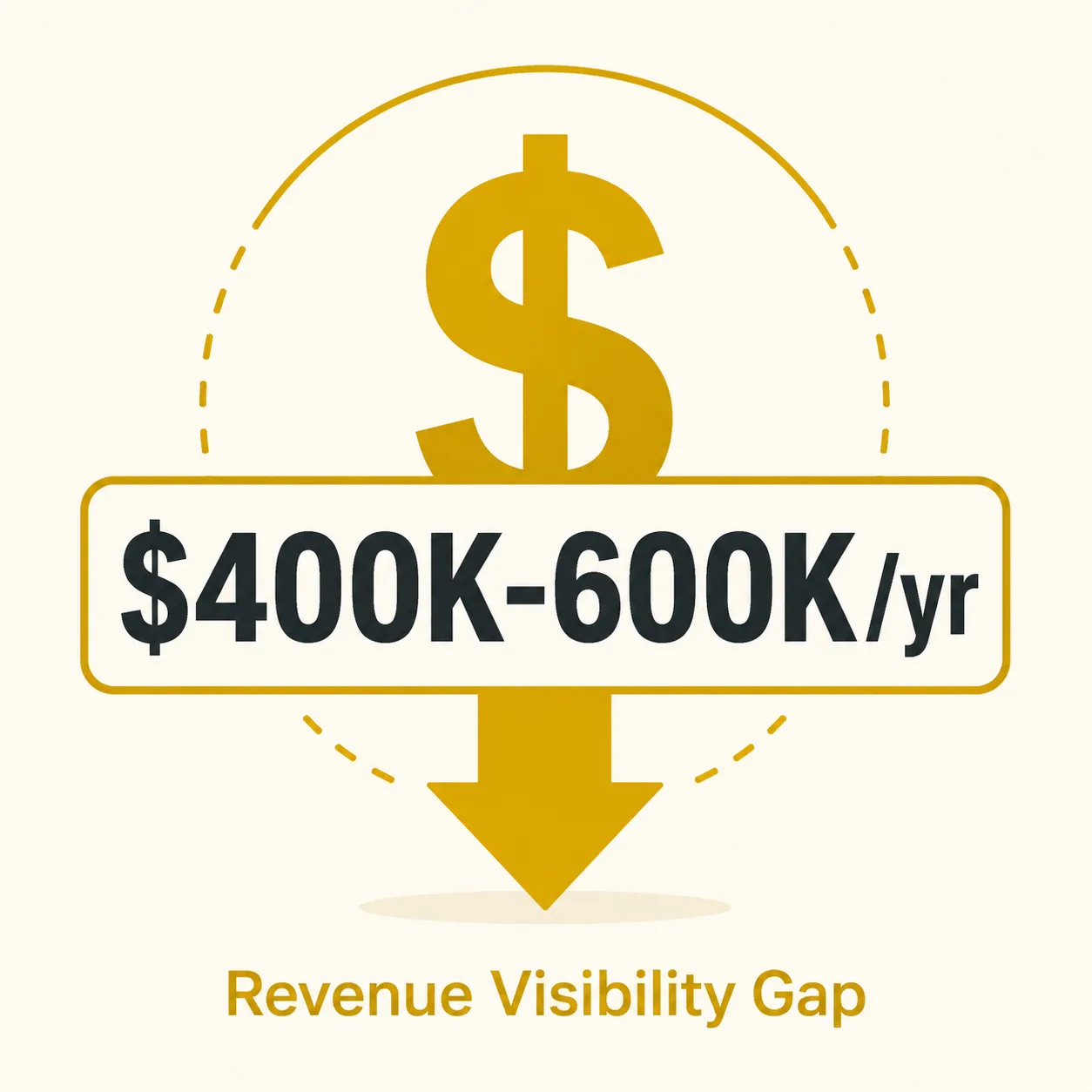
How Much Revenue Do You Lose Waiting for Weekly Reports?
Waiting for weekly reports costs mid-market hotel groups 2 to 3 percent of revenue because the gap between transaction time and visibility time is measured in days. The report lands Tuesday; the money left the table Saturday night. Here is what that delay actually costs and what changes when revenue visibility is daily.
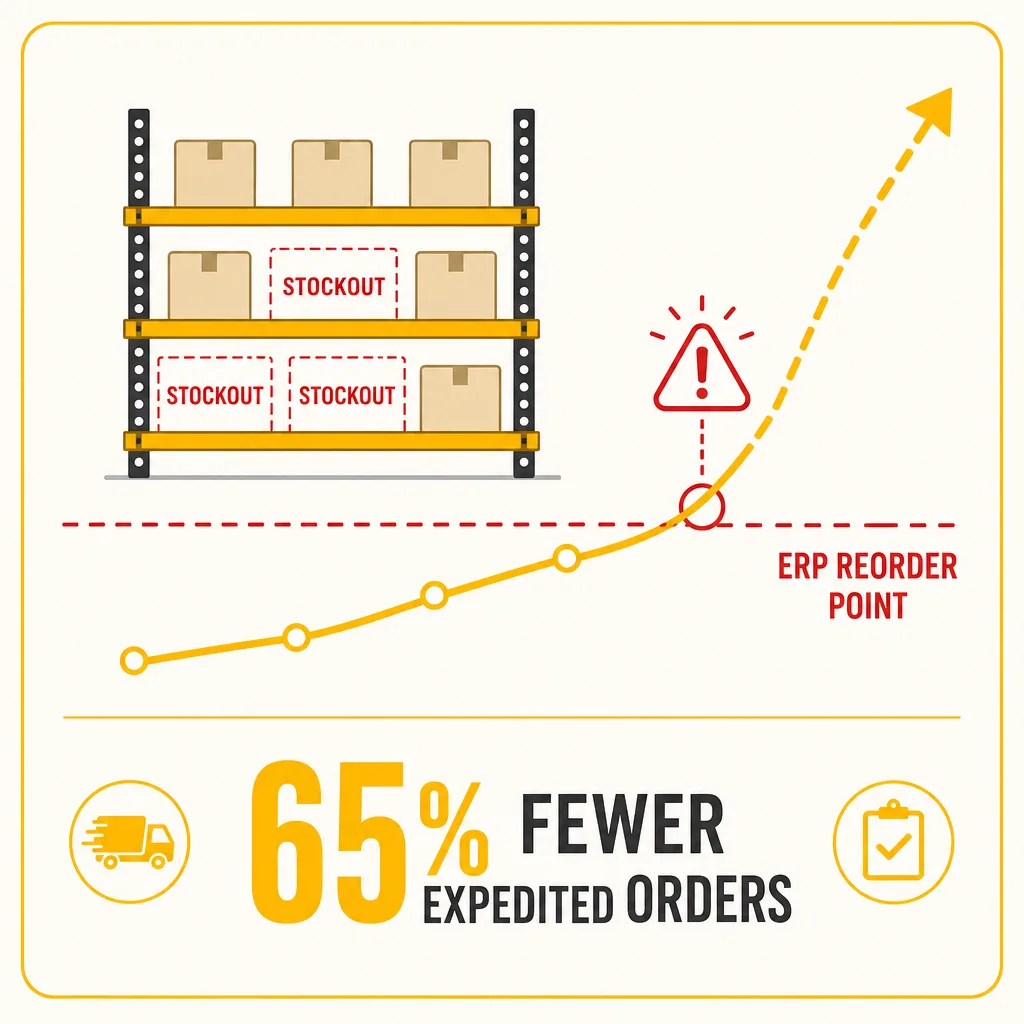
When Safety Stock Fails and ERPs Stay Silent
Safety stock fails and the ERP stays silent because reorder logic counts what is left, never how fast it is burning against incoming supply. A demand spike empties the shelf while the ERP keeps reporting safe levels. Here is what demand-velocity planning changes for procurement teams.
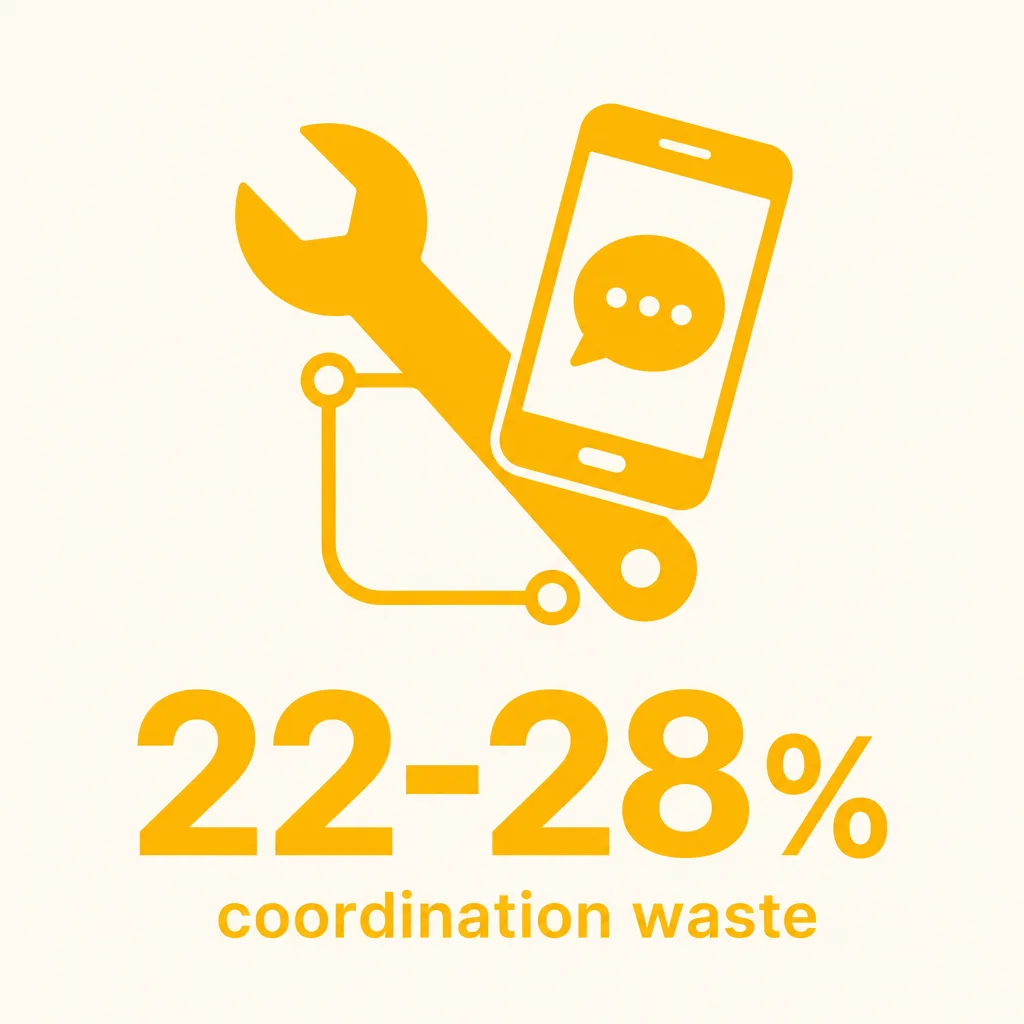
The Phantom 15% — What Task Handoffs Cost Hotel Groups
Task handoffs cost hotel groups 15 percent of labor because operations run on chat apps, phone calls, and hallway conversations. A room stays vacant for 72 hours while everyone assumes someone else handled it. Here is what structured task assignment changes across a portfolio.
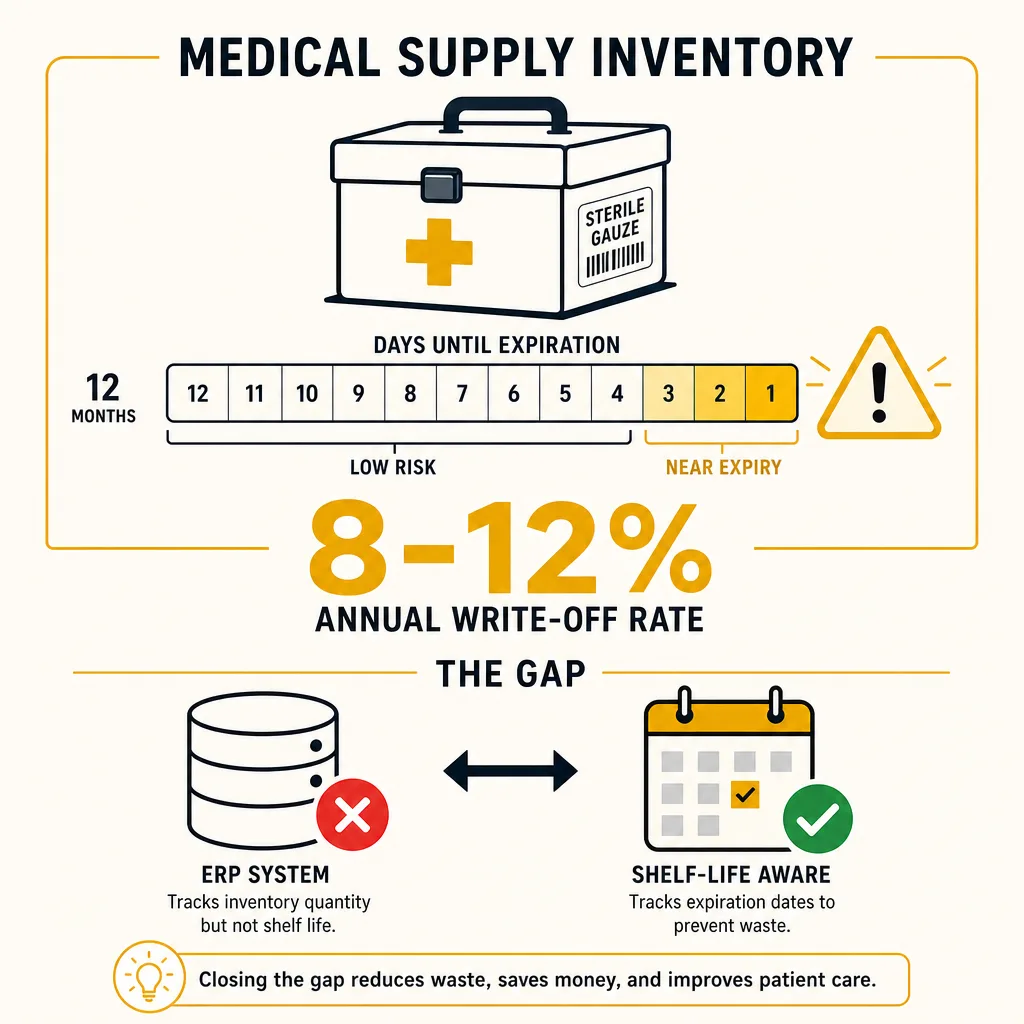
What Expiry-Driven Write-Offs Cost Medical Suppliers
Expiry-driven write-offs cost medical suppliers 8 to 12 percent of inventory value every year because their tools read stock levels, not expiry dates against demand velocity. Write-offs repeat every quarter across 600 SKUs. Here is what shelf-life-aware inventory intelligence changes.
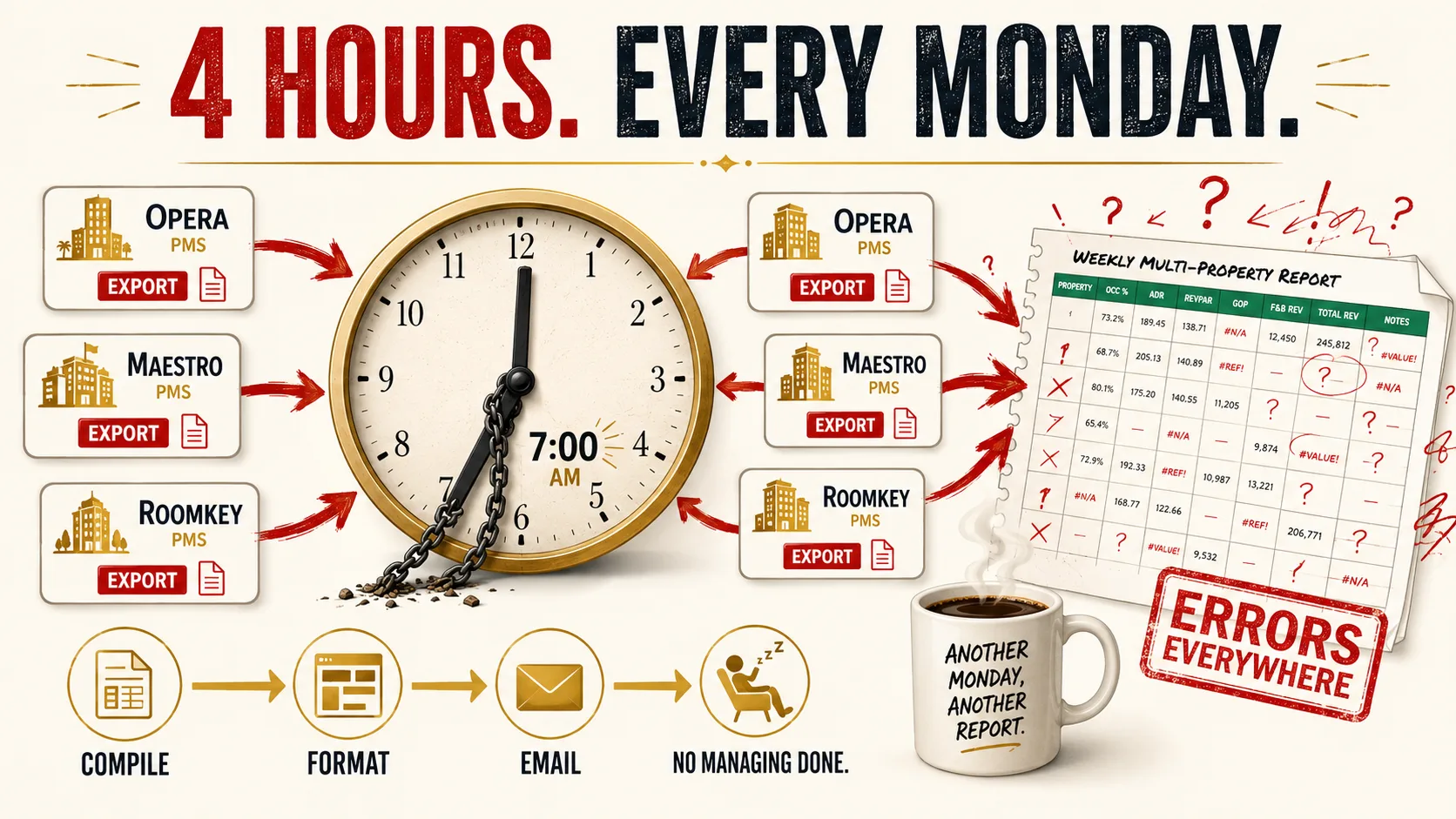
Why Your Monday Morning Report Takes 4 Hours — And How to Get It Back
The Monday morning report takes four hours because each PMS exports separately and someone has to reconcile six formats into one spreadsheet. It is not a bad week; it is the calendar. Here is what cross-property visibility gives back and how the hours disappear.